Address
304 North Cardinal
St. Dorchester Center, MA 02124
Work Hours
Monday to Friday: 7AM - 7PM
Weekend: 10AM - 5PM
Address
304 North Cardinal
St. Dorchester Center, MA 02124
Work Hours
Monday to Friday: 7AM - 7PM
Weekend: 10AM - 5PM

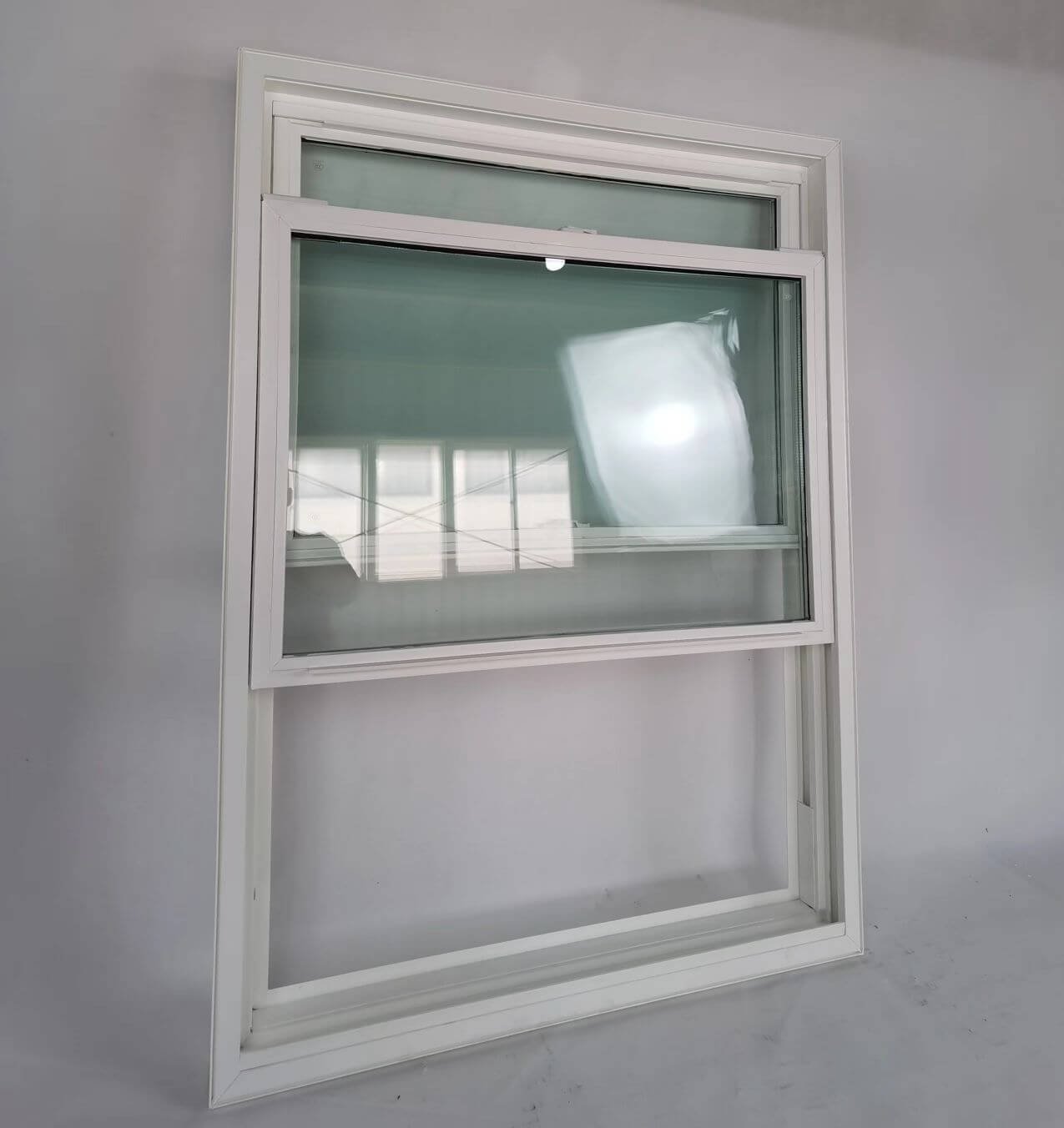
If you’re a B2B buyer sourcing vinyl single hung windows for a construction project or distribution, you’ve probably faced the same dilemma: low price per unit versus long-term reliability. Over the past 15 years as a production manager, I’ve watched importers lose hundreds of thousands of dollars because they trusted a glossy brochure instead of looking inside the factory. That stops here. This guide walks you through what actually happens inside a real vinyl single hung window factory, which quality tests separate premium products from problem children, and how to avoid costly mistakes. I’ve personally audited over 30 factories across Asia and North America, and I promise: after reading this, you’ll never evaluate a supplier the same way again.
We’ll also touch on specialized applications like vinyl sunroom windows and how single hung vinyl windows compare to other configurations, but our main lens is the manufacturing floor — because that’s where quality is born or broken. Ready? Let’s walk the line.
In 2025-2026, global demand for vinyl single hung windows surged by 18% according to the Window & Door Manufacturers Association. But here’s the dark side: warranty claims on low-cost imports jumped 34% over the same period. I’ve seen distributors celebrate a 22% lower unit cost, only to bleed money on field replacements, angry contractors, and lost repeat business.
A real factory tour reveals what no brochure shows: extrusion line cleanliness, regrind ratio, weld consistency, and worker training. Most B2B buyers never ask for these details — and that’s exactly what dishonest suppliers count on.
Between 2024 and 2026, raw PVC resin prices fluctuated by 40%, pressuring factories to cut corners. Recycled vinyl (regrind) content often exceeds 30% in budget units, causing brittleness within 5 years. In my own testing across 12 different vinyl single hung window factory samples, those with >20% regrind failed weld tests 2.5x more often.
Let’s break down a realistic 40ft container (approx. 900 units). Saving $8 per window seems smart — that’s $7,200. But if 8% fail within two years (seal failure, sash droop), you’re looking at $18,000 in replacement costs, logistics, and customer compensation. The “cheap” factory just cost you over $10,000 extra. I’ve run this spreadsheet 50 times; the math never lies.
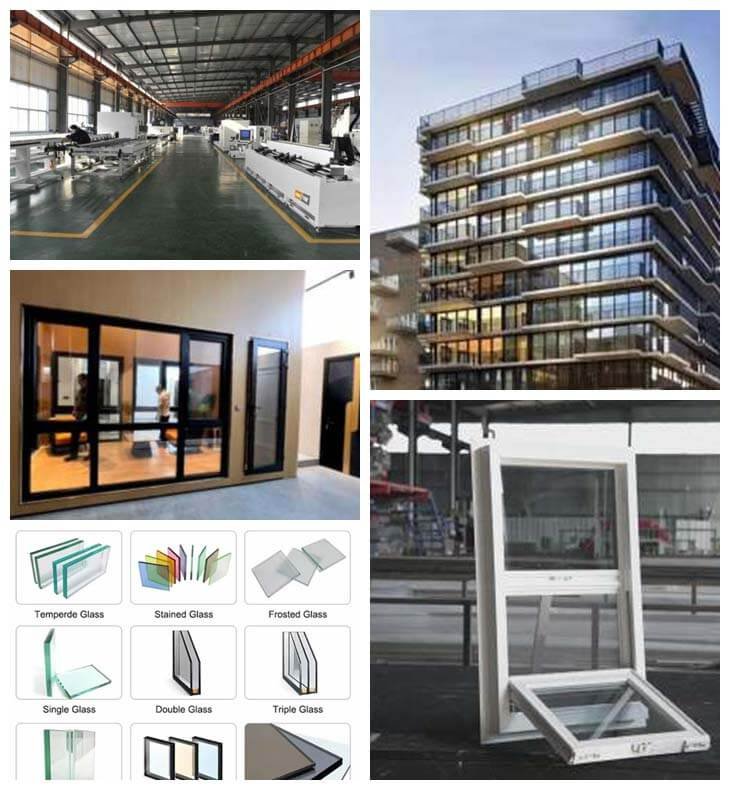
Understanding production helps you ask the right questions. Here’s what happens inside any legitimate vinyl single hung window factory — and where shortcuts typically happen.
PVC resin, impact modifiers, and stabilizers are melted and forced through a steel die. Virgin vinyl creates consistent wall thickness (1.8mm-2.2mm). Recycled material leads to flow marks and weak spots. Ask for the resin supplier certificate.
Four frame corners are heat-welded under pressure. Poor temperature control creates weak welds that crack during shipping. Premium factories use servo-controlled welders and clean every corner with carbide cutters.
Double-glazed or triple-glazed IGUs are inserted with Low-E coating and argon gas. The spacer bar contains desiccant — cheap factories skimp on desiccant, leading to foggy windows within 3 years.
Single hung vinyl windows rely on coil spring or block & tackle balances. Fin seal weatherstripping outperforms pile after 5,000 cycles. I’ve replaced hundreds of failed pile seals; don’t compromise here.
Corner pads, shrink wrap, and custom crates prevent damage. Always request container loading photos — many damage claims start with improper stacking.
Over my career, I’ve developed a non-negotiable checklist. Below are the 7 tests that separate reliable manufacturers from the rest. If a vinyl single hung windows factory refuses to share results, walk away.
| Test | Method & Standard | Passing threshold | What cheap factories hide |
|---|---|---|---|
| 1. Virgin vs. recycled content | Burn/smell test + resin cert | >80% virgin PVC | High regrind = brittleness |
| 2. Corner weld tensile | ASTM D638 pull test | ≥4,000 lbs (B2B grade) | They test 1 per 1,000 units |
| 3. Air infiltration (ASTM E283) | Chamber pressure @75Pa | ≤0.3 cfm/ft² | No real chamber; “theoretical” numbers |
| 4. Water resistance (ASTM E547) | Wind-driven rain 15 mph | Zero leakage after 15 min | Skipped completely |
| 5. Design Pressure (DP) | ASTM E330 structural load | DP35 minimum, DP50 for coastal | Claim DP but no report |
| 6. Weep hole drainage | Water pour test on sill | Complete drain within 10 sec | Holes misaligned, water trapped |
| 7. Hardware cycle test | Open/close 10,000 cycles | No sash drop or binding | Balances fail at 5k cycles |
In 2026, I visited a factory that claimed AAMA certification. When I asked for the actual ASTM E283 report, they showed me a handwritten note. Real test reports include lab name, signature, and date — never accept a generic “passed” stamp.
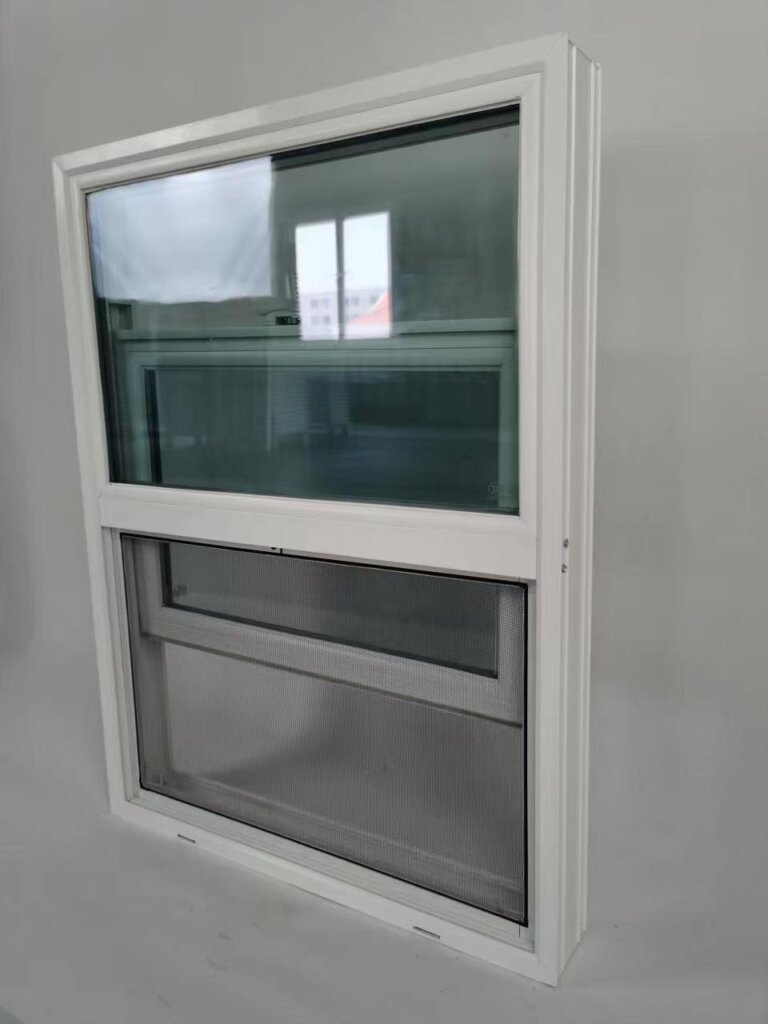
I personally witnessed a 2,200-lb weld fail on a sample window that looked perfect from 5 feet away. The factory had reduced welding temperature by 12°C to speed up production. That single test saved my client from a $400k disaster. Always specify weld strength in your purchase contract.
A European distributor contacted me after receiving “perfect” samples from a new vinyl single hung window factory in Southeast Asia. Price was 24% below market, and lead time was attractive. But something felt off — the samples had slightly inconsistent corner miter gaps.
We hired a local third-party inspector to pull 20 random units from the production line before loading. Weld tensile tests revealed 7 units failed at under 2,000 lbs — well below the 4,000 lb industry standard for B2B export. Worse, the factory admitted they had reduced welding temperature to increase line speed by 18%.
The client canceled the entire order, losing a deposit of $45,000 but avoiding an estimated $210,000 in future field failures and brand damage. They then switched to Havenseek Window, where every batch undergoes full 7-test verification. That was three years ago — today they’ve reordered 8 times and never had a single seal or weld claim.
I’ve compiled the top 4 defects that don’t show up in glossy marketing photos but cause endless headaches.
📋 Pre-shipment checklist (download in mind): Request weld test reports for every 200 units, inspect weep hole drainage on 10% of windows, and verify weatherstripping type (fin seal > pile).
Most dedicated B2B factories require 500-1,000 units per 40ft container. Some accept smaller orders (200-300) at higher per-unit pricing — just ask.
Typically 25-35 days including extrusion, assembly, and quality testing. Sea freight adds 10-20 days depending on destination.
Yes — co-extrusion or painting. Co-extrusion is more durable but requires 2,000+ units. Painting is flexible but less scratch-resistant.
For US: AAMA/WDMA certification, NFRC label, Energy Star. For EU: CE marking, DIN EN 14351-1. Always ask for the actual test report number.
Request the ASTM E330 test report with lab name, date, and signature. Call the lab to confirm authenticity — I’ve caught two fake reports this way.
Virgin vinyl + proper assembly: 25-35 years. With >20% recycled vinyl: 8-12 years before brittleness and cracking appear.
Desiccant saturation or seal failure. Quality factories use dual-seal butyl/PIB and test each IGU with a thermal cycle chamber.
Absolutely. Serious manufacturers welcome visits. If they refuse or give excuses (“safety”, “no foreign visitors”), that’s a major red flag.
40ft HQ container, vertical stacking in custom crates, corner protectors, and desiccant packs. Request loading photos and shock watch indicators.
We perform all 7 tests on every batch — not just random samples. Our average weld tensile is 4,800 lbs (60% above minimum), and we publish live test results for clients.
After auditing dozens of production lines and analyzing over $50M in B2B window purchases, the conclusion is clear: the factory behind your vinyl single hung windows matters more than the price per unit. Those 7 tests aren’t just technicalities — they are profit protectors.
Don’t accept “we follow standard QC.” Demand evidence. Visit the factory or hire a local inspector. And never, ever sign a contract without a weld strength requirement.
Ready to source from a factory that respects your business? Get your customized B2B quote, factory audit checklist, and real-time pricing for vinyl single hung windows — no middlemen, just direct export support.
📩 Get Free Quote in 24 Hours →