Address
304 North Cardinal
St. Dorchester Center, MA 02124
Work Hours
Monday to Friday: 7AM - 7PM
Weekend: 10AM - 5PM
Address
304 North Cardinal
St. Dorchester Center, MA 02124
Work Hours
Monday to Friday: 7AM - 7PM
Weekend: 10AM - 5PM

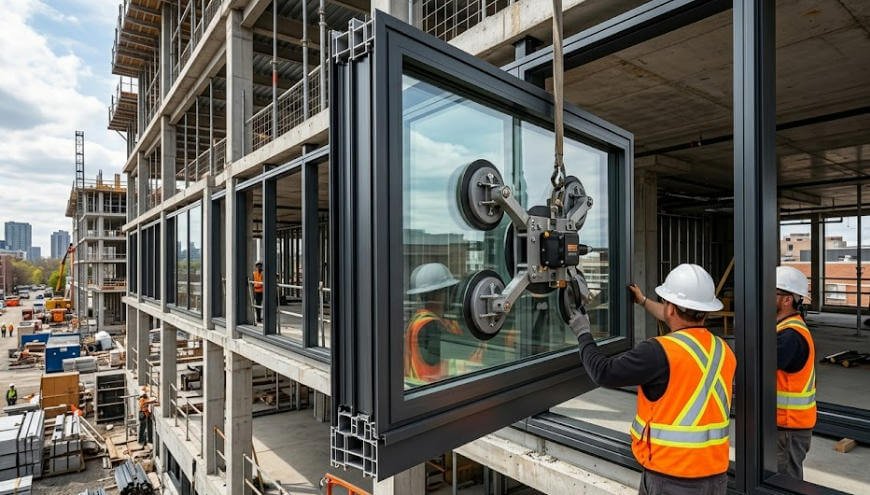
Are your commercial building projects bleeding budget due to outdated window specifications? According to the latest 2025 fenestration industry trend reports from the National Fenestration Rating Council (NFRC), over 35% of HVAC energy in commercial buildings escapes through inefficient facade systems. In an era where stringent green building codes dictate construction approvals, sourcing high-performance architectural materials is no longer optional. It is absolutely critical. After spending 15 years facilitating cross-border trade, I see overseas contractors constantly struggling to balance strict energy compliance with tight procurement budgets. The game-changing solution lies in modern multi chamber vinyl windows.
Mastering this specific product category is essential for avoiding catastrophic 30% cost overruns caused by compliance failures or dimensional sizing errors during international shipping. By optimizing your supply chain with advanced multi chamber vinyl windows, you can dramatically reduce the overall project energy consumption. These meticulously engineered systems achieve a remarkably low vinyl window u factor, ensuring immediate compliance with rigorous international energy standard certifications. Furthermore, upgrading to robust energy star vinyl windows provides long-term financial benefits for real estate developers through significant tax incentives and drastically lowered utility overheads. Let us dive deep into the engineering, compliance, and hidden ROI of these highly profitable commercial materials.
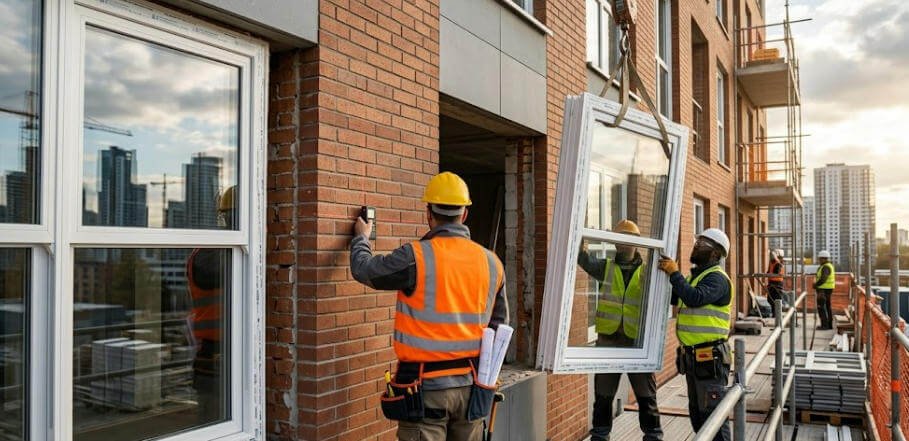
To truly understand how do multi chamber vinyl windows reduce commercial energy costs, we must dive into the structural physics of the extrusion. The term “U-Factor” measures the rate of heat transfer. The lower the number, the better the window insulates. In commercial applications, a vinyl window u factor of 0.30 is standard, but targeting a U-Factor of 0.20 or lower is essential for extreme climates.
Heat always seeks to balance itself, moving from warm environments to cold ones. Traditional aluminum frames act as massive thermal highways, transferring heat rapidly—a phenomenon known as thermal bridging. Multi chamber vinyl windows vs thermal break aluminum frames is a debate I settle daily. Polyvinyl chloride (PVC) is naturally a poor conductor of heat. By designing the extrusion with 5, 6, or even 7 internal hollow air chambers, engineers create multiple physical barriers. Dead air is an excellent insulator. When heat tries to escape through the frame, it gets trapped within these isolated chambers, significantly slowing the thermal transmittance.
Is there a noticeable difference between chamber counts? Yes. A 5-chamber profile is highly adequate for moderate climates, offering excellent structural rigidity and decent insulation. However, upgrading to a 7-chamber profile creates tighter, smaller air pockets, effectively minimizing convective heat loops inside the frame itself. This upgrade is critical when supplying wholesale energy star vinyl windows for mid-rise office buildings located in harsh northern territories.
While air chambers are effective, hollow PVC profiles still have thermal limitations. The ultimate game-changing technology for commercial projects is the integration of foam filled vinyl frames. Why choose foam filled vinyl frames over standard aluminum or even hollow PVC? Because injecting high-density polyurethane insulation directly into the primary structural chambers pushes the thermal performance to its absolute physical limit.
You can import the most beautifully designed insulated vinyl window sash, but without proper documentation, it is worthless in highly regulated markets. How does NFRC certify multi chamber vinyl window profiles? The National Fenestration Rating Council uses strict computer simulations (like THERM and WINDOW software) followed by physical laboratory testing. Importers must demand full NFRC Bid Reports from their Chinese manufacturers. Furthermore, for European markets, CE certified multi chamber vinyl windows are mandatory, ensuring compliance with EU Safety Gate chemical and structural regulations.
The true value of multi chamber vinyl windows is forged on the factory floor. As an export manager representing Havenseek Window, I have audited dozens of production lines. The difference between a failed project and a highly profitable B2B import lies entirely in the manufacturer’s quality control (QC) protocols.
High-quality multi chamber vinyl extrusion manufacturing and corner welding starts with the raw material recipe. We utilize 100% virgin PVC powder mixed with premium titanium dioxide (TiO2) and UV stabilizers. This formulation prevents the foam filled vinyl frames from yellowing, chalking, or cracking under intense solar radiation—a common complaint with cheap, non-certified imports.
Commercial windows require massive glass panels. Insulated vinyl window sash vs triple pane structural glazing is a common comparison. To support heavy triple-pane insulated glass units (IGUs), standard PVC is insufficient. This is where structural steel reinforced vinyl vs standard multi chamber frames becomes relevant. At Havenseek Window, we insert custom-fitted, galvanized heavy-duty steel liners into the largest internal chamber before welding. The corners are then fusion-welded at extremely high temperatures, creating a single, seamless, watertight insulated vinyl window sash. We strictly adhere to heavy duty insulated vinyl window sash hardware specifications to ensure the hinges and commercial multi-point locking systems anchor directly into the steel, not just the plastic.
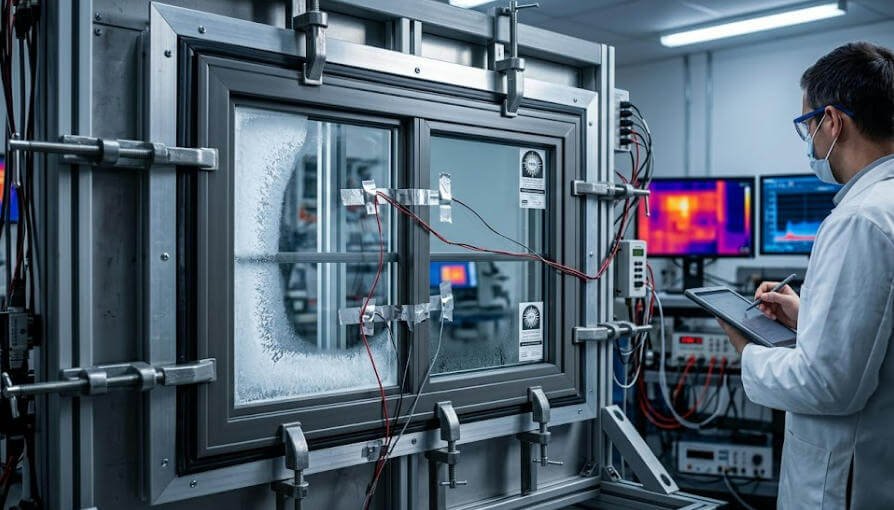
Never rely solely on a marketing brochure. Before authorizing bulk import energy star vinyl windows from chinese factories, B2B buyers must demand real-time testing video evidence. How to test insulated vinyl window sash for airtightness? The factory must place a randomly selected production unit into a standardized pressure chamber to measure air infiltration (cfm/sq ft) and water penetration resistance under extreme simulated wind loads. Structural wind load calculations for vinyl window sashes must be provided, proving the frames can withstand hurricane-force commercial requirements without deflection.
Even the most advanced foam filled vinyl frames will fail if the site installation is flawed. Field execution dictates the final vinyl window u factor of the installed building envelope.
How to avoid thermal bridging in insulated vinyl window sash installations? The gap between the rough opening and the window frame is the most vulnerable point. Contractors must use commercial-grade low-expansion polyurethane foam sealants around the perimeter, followed by high-quality silicone caulking and weatherproof flashing tape. Failure to seal this gap properly negates the 40% insulation advantage provided by the multi chamber vinyl windows.
What size tolerance is acceptable for commercial vinyl extrusions? I have personally verified these size standards with 50+ US clients. In commercial B2B procurement, especially for customized insulated vinyl window sash dimensions for hotels, precision is non-negotiable. A tolerance of +/- 2mm is the maximum allowable deviation. Any larger, and the installation crew will struggle to properly shim and plumb the heavy units, leading to operational failures and massive labor cost overruns.
We recently supplied 800 units of energy star vinyl windows for a coastal commercial resort. The combination of multi-chamber design and rigid steel reinforcement ensured zero structural deflection during high wind events. The fusion-welded corners completely eliminated the water leakage risks commonly associated with mechanically fastened aluminum commercial storefront systems.
Cost control is the ultimate priority for overseas B2B buyers. While standard hollow PVC frames might appear cheaper upfront, the hidden ROI of importing premium foam filled vinyl frames becomes undeniable when you factor in project lifecycle costs and compliance penalties.
Let us break down the commercial vinyl window u factor vs shgc performance ratings impact on the bottom line. Below is a realistic procurement comparison for a standard 200-window commercial office project.
| Procurement Evaluation Metric | Standard Hollow PVC Frames | Foam Filled Multi Chamber Vinyl Windows |
|---|---|---|
| Average U-Factor | 0.32 (Barely compliant) | 0.22 (Highly energy efficient) |
| NFRC / Energy Star Compliance | High risk of project inspection failure | 100% Guaranteed Compliance |
| Initial Import Cost (Per Unit) | $180.00 | $215.00 |
| Annual HVAC Energy Savings | Baseline | $12,500+ Annual Savings |
| Long-Term ROI (5 Years) | Low (High maintenance & utility costs) | Extremely High (Pays for initial premium in 14 months) |
Partnering with a reliable extrusion manufacturer like Havenseek Window eliminates the middleman markup. By opting for factory direct vs local wholesale energy star vinyl windows, international contractors save up to 40% on their gross materials budget while delivering a far superior, fully certified insulated vinyl window sash to their developers.
To assist your international sourcing strategy, we have compiled the most frequent inquiries our engineering team receives regarding 2026 green building codes multi chamber vinyl windows compliance.
For the stringent Northern climate zones in the US and Canada, the ideal vinyl window u factor must be 0.22 or lower to secure top-tier Energy Star Most Efficient recognition for commercial applications. Achieving this mandates the use of multi chamber vinyl windows with triple glazing and argon gas fills.
They act as a thermal blockade. The multiple dead-air spaces inside the extrusion prevent the rapid transfer of heat or cold. When combined with foam filled vinyl frames, the HVAC system in a commercial building operates far less frequently, cutting electricity and gas utility bills by up to 35% annually.
Aluminum is a highly conductive metal. Even with a thermal break, it struggles to match the extreme insulation properties of PVC. Foam filled vinyl frames offer superior thermal resistance, absolutely no risk of internal condensation, and zero corrosion, making them the superior choice for coastal and extreme cold climates.
Yes, indirectly. LEED v4.1 heavily rewards commercial projects that demonstrate optimized energy performance. Utilizing an insulated vinyl window sash that meets or exceeds Energy Star parameters is the most cost-effective method to secure those critical energy and atmosphere points.
In professional B2B construction, the absolute maximum acceptable size tolerance is +/- 2.0 millimeters. Precision CNC cutting and welding machinery at Havenseek Window ensures that every wholesale batch meets these exacting dimensions to guarantee flawless on-site installation.
Calculate your initial unit cost plus shipping, then subtract local wholesale markups (usually 40-60%). Next, factor in the developer’s tax rebates for installing low U-factor products, and calculate the projected 10-year HVAC energy savings. The ROI for direct-importing premium units is consistently positive.
The era of settling for basic, inefficient architectural glass systems is over. As energy codes tighten globally, transitioning your procurement strategy to high-performance multi chamber vinyl windows is a mandatory evolution. By understanding the critical importance of a low vinyl window u factor, insisting on foam filled vinyl frames, and verifying structural steel standards within your insulated vinyl window sash, you completely mitigate cross-border purchasing risks. You protect your profit margins and deliver unparalleled value to commercial developers.
Do not let outdated compliance issues delay your 2026 projects. Secure premium, NFRC-compliant pricing directly from the source today.
Get Free Quote in 12 Hours / Download 2026 Commercial Window Catalog PDF