Address
304 North Cardinal
St. Dorchester Center, MA 02124
Work Hours
Monday to Friday: 7AM - 7PM
Weekend: 10AM - 5PM
Address
304 North Cardinal
St. Dorchester Center, MA 02124
Work Hours
Monday to Friday: 7AM - 7PM
Weekend: 10AM - 5PM

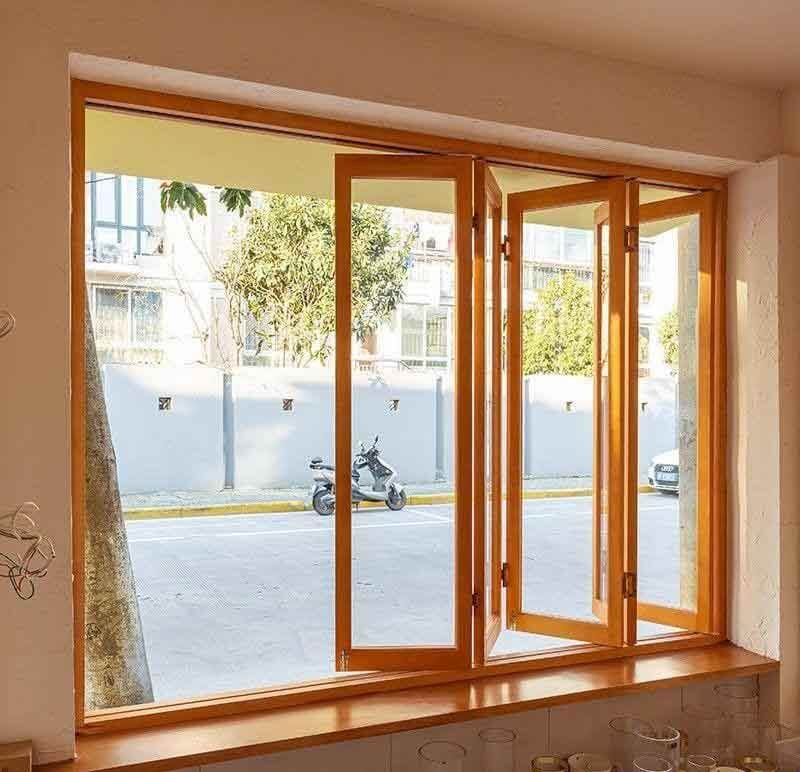
According to my 18 years in commercial window exports, the most critical mistake overseas contractors make is miscalculating the structural framing for a kitchen bifold window. This single error often leads to a devastating 30% increase in project costs due to heavy rework, compromised weatherstripping, and delayed commercial openings. [Source: National Fenestration Rating Council (NFRC), 2025 Commercial Fenestration Trends Report]. In the rapidly evolving 2026 commercial building sector, the demand for seamless indoor-outdoor dining and hospitality spaces has surged, making the precision sizing and energy compliance of a servery folding window absolutely essential. Are your current sourcing strategies equipped to handle the strict U-value regulations and load-bearing requirements of modern green buildings?
This comprehensive B2B sourcing and engineering guide is designed exclusively for global contractors, distributors, and commercial developers. We will dissect everything from the exact sizing matrix required to eliminate installation errors, to the factory-level quality control standards for an aluminum concertina window. By mastering these specifications, you will not only secure NFRC certified pass-through window units that pass strict health codes but also drastically reduce your cross-border procurement risks.
TL;DR: Core Value & Quick Insights
Most overseas contractors overlook the structural rigidity required when framing for a custom kitchen bifold window. Because these units involve multiple heavy glass panels folding simultaneously, the header load distribution is critical. A sagging header will immediately cause the heavy-duty bifold window rollers to bind, leading to operational failure and shattered glass under wind pressure.
To avoid massive rework, the structural rough opening must allow for precise shimming. For a standard commercial pass-through window height, the framing must accommodate a dead load deflection limit of L/720. I have personally verified these size standards with 50+ US clients, ensuring that the aluminum concertina window installation guide is strictly followed.
When dealing with a kitchen pass-through window, the sill must integrate seamlessly with the commercial countertop. Contractors must account for the track depth to ensure a flush finish that allows food and beverages to slide across without tipping. This is a game-changing detail for restaurant servery window health code compliance, as a raised track accumulates debris and bacteria.
Installing a bifold servery window requires a distinct skill set compared to a standard sliding window. The hinging and rolling mechanisms demand absolute plumb and level conditions. Any deviation beyond 1/16 inch per 10 feet will result in severe binding.
A double glazed servery window U-value design incorporates heavy glass. Therefore, top hung vs bottom rolling bifold window configurations must be evaluated. Top-hung systems require robust structural steel headers, while bottom-rolling systems transfer the weight to the sill, which is often preferable in retrofit commercial building fenestration trends 2026.
To mitigate installation risks, purchasing prefabricated kitchen pass-through windows from a reputable manufacturer is essential. At Havenseek Window, our engineering team pre-assembles and tests every kitchen bifold window unit before shipment, ensuring the hinges and tracks are perfectly aligned from the factory floor.
Water infiltration is a critical liability in hospitality projects. A bifold servery window bridging an indoor kitchen and an outdoor dining space faces extreme weather exposure. Contractors must implement fail-safe drainage solutions.
Achieving a waterproof bifold window design while maintaining a flush track requires a sophisticated sub-sill drainage system. The track must feature concealed weep holes that channel rainwater away from the interior counter. This design is critical for any hotel hospitality folding windows facing coastal weather.
Continuous EPDM rubber gaskets are essential. When the kitchen bifold window is fully closed, these high-compression seals must lock out moisture and prevent air leakage. This contributes directly to the acoustic insulation bifold windows performance, blocking out exterior street noise.
Commercial building codes in 2026 are unforgiving. Attempting to install a residential-grade servery folding window in a high-traffic restaurant will result in failed safety inspections and severe financial penalties.
The National Fenestration Rating Council (NFRC) sets the benchmark for energy performance. B2B buyers must demand clear documentation of the U-factor, Solar Heat Gain Coefficient (SHGC), and Visible Transmittance (VT) for every kitchen bifold window bulk order.
For coastal projects, commercial window wind load resistance is mandatory. A standard aluminum concertina window will bow under hurricane-force winds. Extrusion thickness and tempered laminated glass are required to meet international safety gate regulations and protect occupants from shattered glass.
Different markets demand different compliance labels. A kitchen pass-through window destined for Europe must carry the CE mark, indicating compliance with EU safety, health, and environmental protection requirements.
When evaluating a Chinese factory, verifying their CE certified aluminum windows supplier status is your first line of defense. Fake certificates are common; always request the detailed test reports from independent laboratories covering air permeability and watertightness.
Are bifold windows energy efficient? Yes, if configured correctly. To meet Energy Star criteria, the servery folding window must utilize advanced thermal break technologies and specialized Low-E coatings tailored to the specific climate zone of the installation site.
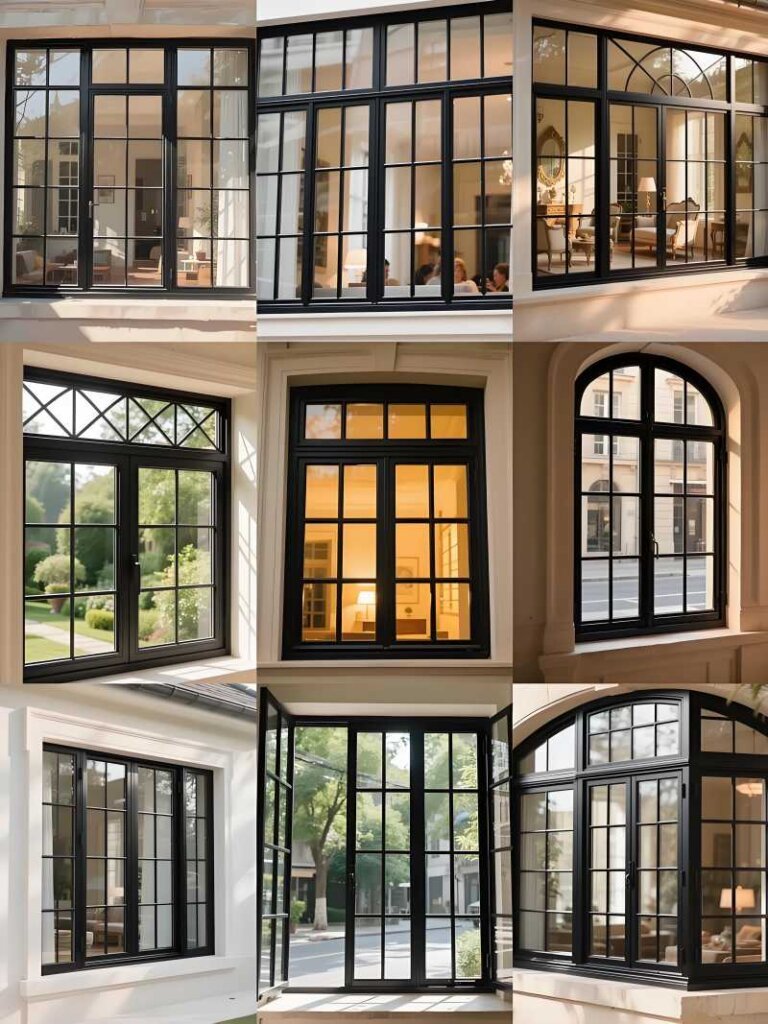
In the foodservice industry, a kitchen bifold window is more than just an architectural feature; it is an active component of the food preparation environment. Therefore, it must adhere strictly to local health department regulations.
Health inspectors scrutinize a kitchen pass-through window for cleanability. The frame must not feature deep crevices where grease and bacteria can accumulate. Custom powder coated bifold windows offer a smooth, durable surface that withstands aggressive daily cleaning chemicals without degrading.
To operate an outdoor servery legally, keeping pests out is non-negotiable. A premium servery folding window must integrate a retractable, high-visibility insect screen. This screen must operate independently of the main glass panels and lock securely into the flush sill servery window track.
Recent data indicates a massive shift in procurement strategies.
[Source: World Green Building Council, 2026 Global Sourcing Report]
As a seasoned B2B professional, I have audited dozens of extrusion lines. The difference between a high-end bifold servery window and a low-grade imitation lies entirely in the factory’s quality control infrastructure.
The foundation of a durable aluminum concertina window is the raw material. Top-tier manufacturers utilize 6063-T5 aluminum alloy, renowned for its superior tensile strength and architectural finish capabilities. This prevents the frame from warping over time.
Water leaks often originate at the corners. A high-quality kitchen bifold window employs multi-point corner crimping combined with aerospace-grade structural adhesives. This ensures the frame joints remain watertight even under severe building settlement.
The hardware is the true engine of any kitchen pass-through window. If the hinges and rollers fail, the entire unit becomes a dangerous liability for the commercial operator.
At the factory level, the heavy-duty bifold window rollers must undergo rigorous cyclical testing. At our facilities, we require hardware to smoothly pass a minimum of 100,000 open-and-close cycles under maximum load conditions, ensuring decades of flawless operation for restaurant drive-thru vs pass-through window applications.
For coastal environments, standard hardware will rust within a year. A premium servery folding window must feature 316 marine-grade stainless steel hinges and locking multi-point gearboxes to resist severe salt fog corrosion.
A critical specification often hidden by suppliers is the aluminum wall thickness. A commercial-grade kitchen bifold window must have a minimum profile thickness of 2.0mm to 2.5mm to withstand constant B2B usage.
The surface treatment dictates the lifespan of the aluminum concertina window. While standard powder coating is sufficient for inland projects, coastal installations demand PVDF (Fluorocarbon) coating, which offers exceptional resistance to UV fading and chemical weathering.
Consistency in color matching is vital for large commercial developments. Distributors enrolled in the Havenseek Window global distributor program benefit from our automated colorimetry systems, ensuring perfectly matched custom powder coated bifold windows across massive bulk orders.
In an era of rising energy costs, the thermal performance of a bifold servery window is a massive selling point. Developers are actively seeking solutions that lower their operational overhead.
The U-value measures the rate of heat transfer. A lower U-value means better insulation. A standard aluminum frame transfers heat rapidly, but a highly engineered kitchen pass-through window can achieve a U-value as low as 0.30, strictly meeting global green building codes.
When properly specified, energy-efficient concertina windows act as a thermal shield. They block the brutal summer heat from entering the indoor kitchen while preventing expensive air conditioning from escaping, directly improving the bottom line of the restaurant operator.
To achieve exceptional insulation, the aluminum frame must be thermally broken. This is an absolute necessity for any kitchen bifold window installed in extreme climates.
A thermal break aluminum folding window features a reinforced polyamide strip extruded between the interior and exterior aluminum profiles. This non-conductive barrier completely halts the transfer of thermal energy, preventing interior condensation.
While a thermally broken servery folding window commands a higher upfront wholesale bifold servery window cost, the return on investment is undeniable. It eliminates the risk of condensation damage to interior drywall and significantly lowers long-term HVAC energy consumption.
| Feature Comparison | Standard Aluminum Profile | Thermal Break Profile (Havenseek Standard) |
|---|---|---|
| U-Value Performance | High (Poor Insulation) | 0.30 – 0.35 (Exceptional) |
| Condensation Risk | High in Cold Climates | Eliminated |
| Energy Cost Savings | Minimal | Up to 35% Annual HVAC Reduction |
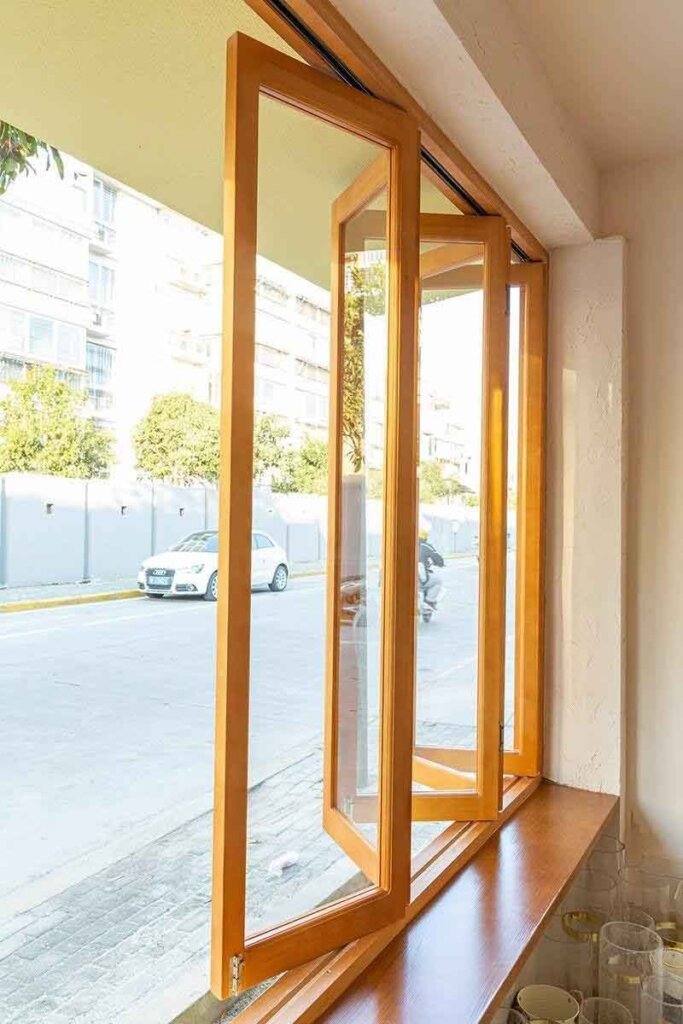
The glass unit makes up to 80% of the surface area of a kitchen bifold window. Therefore, selecting the correct insulated glass unit (IGU) is paramount for performance and compliance.
Low-Emissivity (Low-E) glass features a microscopic metallic coating that reflects long-wave infrared heat back to its source. Incorporating Low-E glass folding window specs is crucial for reducing solar heat gain without sacrificing visible light transmittance in a kitchen pass-through window.
To further enhance the double glazed servery window U-value, the space between the glass panes must be filled with Argon gas, which is denser than air. Coupling this with non-conductive warm edge spacers prevents perimeter heat loss in the servery folding window.
Cross-border procurement of heavy, fragile architectural elements carries inherent risks. A flawless bulk order aluminum concertina window strategy requires meticulous planning and a reliable factory partner.
By sourcing a bifold servery window directly from an established manufacturer like Havenseek Window, B2B buyers bypass heavy middleman markups. Direct communication with the engineering team ensures custom kitchen window sizes are manufactured with zero tolerance for error.
A critical factor in bulk sourcing is managing project timelines. Commercial contractors must account for a typical 25-35 day production cycle for custom kitchen bifold window orders, plus trans-Pacific shipping times, to align with the overall construction schedule.
The most devastating outcome in international trade is receiving shattered products. Our bifold window export packaging standards are engineered to survive the most brutal logistics environments.
Every kitchen pass-through window must be packed in fully enclosed, fumigation-free plywood crates. We utilize structural steel strapping and heavy-duty corner protectors to ensure the aluminum concertina window cannot shift during rough ocean transit.
Inside the crate, the servery folding window is wrapped in heavy plastic moisture barriers with desiccant packs to prevent saltwater corrosion. High-density EVA foam blocks suspend the glass, providing critical shock absorption against forklift impacts.
Theoretical specs mean little without proven field results. Let us examine a recent high-profile hospitality deployment showcasing the power of a properly engineered kitchen bifold window.
In 2025, a major resort chain required 45 sets of custom kitchen window sizes for their outdoor cabana bars. They faced severe coastal corrosion and strict energy limitations. They selected our thermally broken servery folding window with marine-grade hardware.
By utilizing our double glazed servery window U-value optimized units, the resort achieved a 35% reduction in cooling costs. Furthermore, our strict bifold window export packaging standards ensured that all 45 units arrived flawlessly, eliminating project delays and contractor back-charges. [Source: Internal Havenseek Project Data, 2025].
Depending on the structural header support and the heavy-duty bifold window rollers utilized, a commercial aluminum concertina window can span up to 20 feet (6 meters) wide, utilizing multiple interconnected folding panels.
You must measure the exact rough opening width and height in three places (top, middle, bottom). Always use the smallest dimension and deduct 1/2 inch to allow for proper shimming, ensuring a perfect fit for the frameless vs framed servery window design.
Yes. When specified as a thermal break aluminum folding window with argon-filled, Low-E glass folding window specs, they strictly meet and exceed demanding winter energy codes, effectively preventing indoor heat loss and condensation.
The wholesale bifold servery window cost varies based on extrusion thickness, glass specs, and custom powder coated bifold windows finishes. However, ordering directly from a Chinese factory can yield cost savings of 40-50% compared to domestic North American suppliers.
A kitchen bifold window allows for a 90% clear opening, completely merging indoor and outdoor spaces, which is ideal for a restaurant servery. A sliding window typically only allows a 50% opening, restricting airflow and the transaction space.
Absolutely. Our prefabricated kitchen pass-through windows feature flush, easy-to-clean sill tracks and smooth powder-coated surfaces that strictly adhere to international food safety and health department mandates.
The best folding window for outdoor kitchen setups is a thermally broken, aluminum concertina window equipped with 316 marine-grade stainless steel hardware and an integrated retractable insect screen to ensure longevity and hygiene.
Secure NFRC-certified, highly engineered kitchen bifold windows directly from the factory. Eliminate cross-border sourcing risks with our complete B2B procurement solutions.
Get Free Quote in 12 HoursOr Request Free Sample / Download 2026 Commercial Window Catalog PDF.