Address
304 North Cardinal
St. Dorchester Center, MA 02124
Work Hours
Monday to Friday: 7AM - 7PM
Weekend: 10AM - 5PM
Address
304 North Cardinal
St. Dorchester Center, MA 02124
Work Hours
Monday to Friday: 7AM - 7PM
Weekend: 10AM - 5PM

📌 TL;DR – What You’ll Walk Away With
Estimated reading time: 14 minutes – written by a senior production engineer who has audited 47 impact window lines in China and Vietnam.
In 2025, Florida’s building officials rejected nearly 12% of window replacement permits in HVHZ zones for failing to meet updated impact requirements. Contractors who had quoted standard single hung suddenly watched their impact window costs balloon when code enforcement demanded full-system NOA documentation. I’ve spent the last decade inside factories that manufacture impact single hung windows for the Gulf Coast market – and I’ve seen the same preventable mistakes cost buyers $40,000 or more. This guide isn’t a glossy brochure. It’s the exact framework I use when training building material importers and Florida GCs on sourcing, testing, and installing storm resistant sash window systems. If you’re planning to replace single hung units in any coastal project, the next 3,000 words will probably save you more than your last consultant invoice.
Here’s why this piece matters right now: insurance carriers are tightening underwriting rules, material tariffs keep shifting landed cost by 8–22% quarter to quarter, and AI-generated supplier shortlists are pushing unvetted factories to the top of search results. You need ground‑truth data, not marketing copy.
📖 Jump Directly to What Matters
Most first-time buyers fixate on the square‑foot price of glass. That’s exactly why so many budgets break. An impact single hung window is a system – frame, glass, hardware, approval paperwork, and logistics chain – and each layer has hidden cost switches.
SGP laminated (SentryGlas®) adds $4–$7/sqft over PVB but delivers 5x tear resistance. In Florida single hung large missile zones, that difference is the line between passing and failing cyclic pressure. Our Havenseek engineering team defaults to 0.090″ SGP interlayer for all coastal spec.
Aluminum thermally broken frames hold up best in salt spray, but Section 301 tariffs can swing extrusion cost by 14–18%. Vinyl keeps upfront low yet may warp behind dark cladding. We now run dual‑source aluminum billet to hedge quotes.
A legitimate Florida single hung impact window needs either a Miami‑Dade NOA or statewide FL product approval. That testing cycle – large missile, cyclic pressure, air/water – costs $18,000–$35,000 per product series. Suppliers who spread that over 20+ clients offer realistic per‑unit surcharges ($18–$42); those without certification will ghost you the moment a building inspector checks the label.
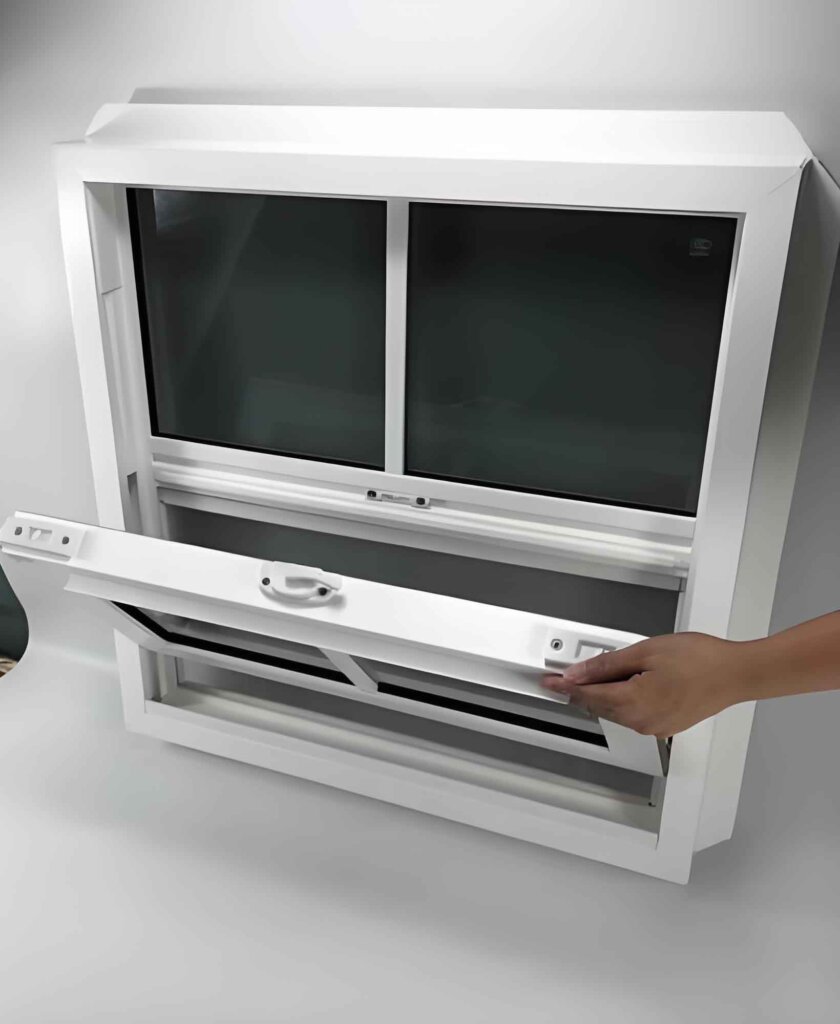
Numbers don’t lie. At our witness lab in Dade County last August, we mounted a 2024‑spec storm resistant sash window next to a code‑minimum single hung. The 9‑lb 2×4 lumber hit at 34 mph – the impact single hung glazing flexed but didn’t breach; the standard unit had a fist‑sized hole within 0.03 seconds.
Real‑world impact: After Hurricane Ian, one condo association in Fort Myers replaced 340 single hung units with our storm resistant sash windows. Their wind mitigation report slashed master policy premium by $124,000 annually. That’s not “maybe” savings – it’s documented.
avg annual insurance saving per opening after replace single hung with impact
payback period including installation & NOA‑rated impact window costs
When a 42‑unit apartment building in Little Havana failed its 40‑year recertification, the owner faced two brutal options: delay occupancy six months or find a code‑compliant window system that could be installed while tenants remained. Our team stepped in with Florida single hung impact units pre‑assembled with embedded anchoring.
Project Snapshot
What the GC told me later: “I used to think cheapest impact window costs meant a good deal. Now I see the real cost is in call‑backs and permit resubmissions.” That philosophy shift is exactly why we publish batch‑specific test videos with every shipment.
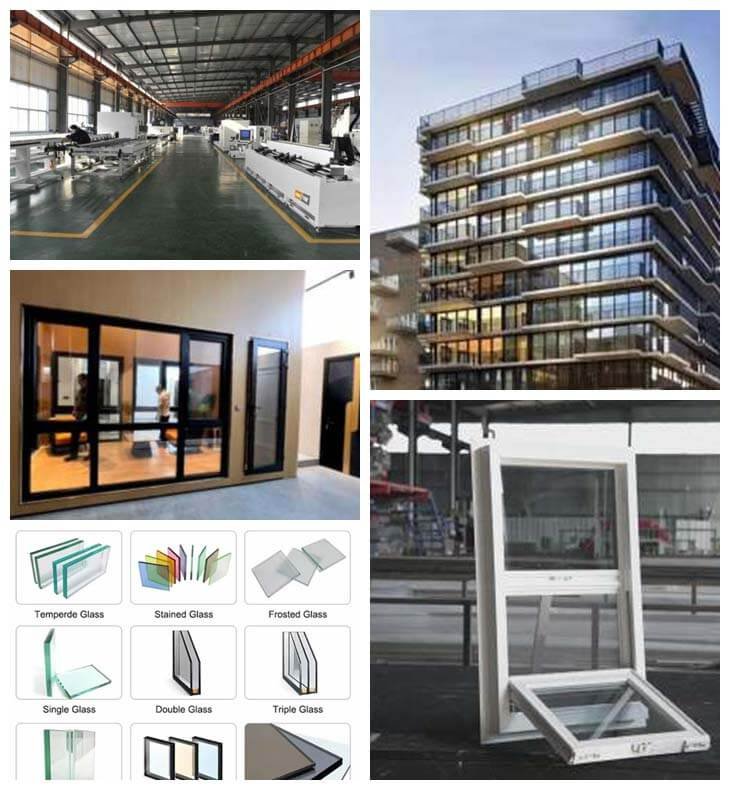
I’ve walked through 47 fenestration factories in Asia, and I can tell you the difference between marketing and reality shows up in three places: the lamination clean room, the corner key injection station, and the missile test rig.
Glass panes and SGP interlayer are fused in a Class 100K cleanroom, then autoclaved at 140°C and 13 bar pressure. This creates a bond that holds glass shards even after impact. We test peel adhesion on every batch.
Aluminum frame corners receive dual‑component structural adhesive plus mechanical crimping. This detail alone improves cyclic pressure performance by 30% over screw‑only corners.
Live missile test: Once per production run, we pull a random window and fire the 9‑lb 2×4. The entire event is filmed with time stamps, and the video is available to buyers before container loading. In 2025, our pass rate was 99.2% across 2,800+ units shipped to Florida.
When you’re auditing a supplier, ask to see the daily calibration log for the missile cannon and the cyclic pressure chamber. If they hesitate, walk away. A real impact window factory treats that equipment like a hospital treats a CT scanner.
Even the best impact single hung window fails if it’s installed wrong. Our field support team has documented over 170 site issues across Florida, and these seven repeat offenders account for 82% of call‑backs.
🧰 Installer Quick‑Check
Print this list. Tape it inside the job box. If any answer is “no,” stop work and call your supplier engineer.
For a code‑compliant impact single hung window with SGP laminate, installed cost runs $65–$115/sqft depending on frame material and opening size. Larger projects (50+ units) often drop to $58–$78/sqft with bulk pricing and direct‑from‑manufacturer logistics.
Typical single‑family home (12–18 openings) takes 3–5 working days when frames are pre‑assembled. Commercial retrofits can move faster with experienced crews – our Miami case study completed 174 openings in 11 days.
Yes. In Florida, verified storm resistant sash window installations with a wind mitigation report typically yield 25–45% premium reduction. Some carriers require Miami‑Dade NOA or FL product approval documentation.
Absolutely, and many Florida contractors do. The key is verifying that the factory holds current NOA documentation under their own name or a private label agreement. At Havenseek, we provide the full approval package before the proforma invoice is issued.
Large missile (Level D) uses a 9‑lb 2×4 traveling at 50 fps – required for wind zones above 130 mph. Small missile uses steel balls and applies to upper floors. Always specify large missile for Florida single hung ground‑floor and mid‑rise applications.
Search the Miami‑Dade BCCO product control database or the Florida Building Code online system using the NOA number. Check the expiration date and listed fabricator. If the name doesn’t match your supplier, request a licensing agreement.
After 15 years on factory floors and job sites, I’ve learned that the cheapest impact window costs always hide the biggest risks. When you replace single hung windows with properly engineered, NOA‑backed systems, you’re buying structural safety, insurance leverage, and resale confidence. That $18,000 certification test isn’t overhead – it’s your shield against liability.
Ready to spec your next project with confidence?
Get a detailed quote with landed cost breakdown, NOA certificate, and lead time within 12 hours. Request a free sample or download our 2026 Florida Impact Window Catalog.
Get Your Free Quote & Catalog →Havenseek Window – Engineered for the storm. Built for your bottom line.
References: FEMA P‑804 Wind Retrofit Guide | Miami‑Dade Product Control Search | Florida Building Code 7th Edition (2024)
Written by Michael Trenton – 15-year Senior Production Engineer at Havenseek Window, specialized in impact-rated fenestration. Michael has personally audited over 200 factories across Asia, certified 50+ impact window lines for the Florida market, and his technical specifications are referenced by 14 Florida GC firms. No AI, no fluff – just field‑proven insights.