Address
304 North Cardinal
St. Dorchester Center, MA 02124
Work Hours
Monday to Friday: 7AM - 7PM
Weekend: 10AM - 5PM
Address
304 North Cardinal
St. Dorchester Center, MA 02124
Work Hours
Monday to Friday: 7AM - 7PM
Weekend: 10AM - 5PM

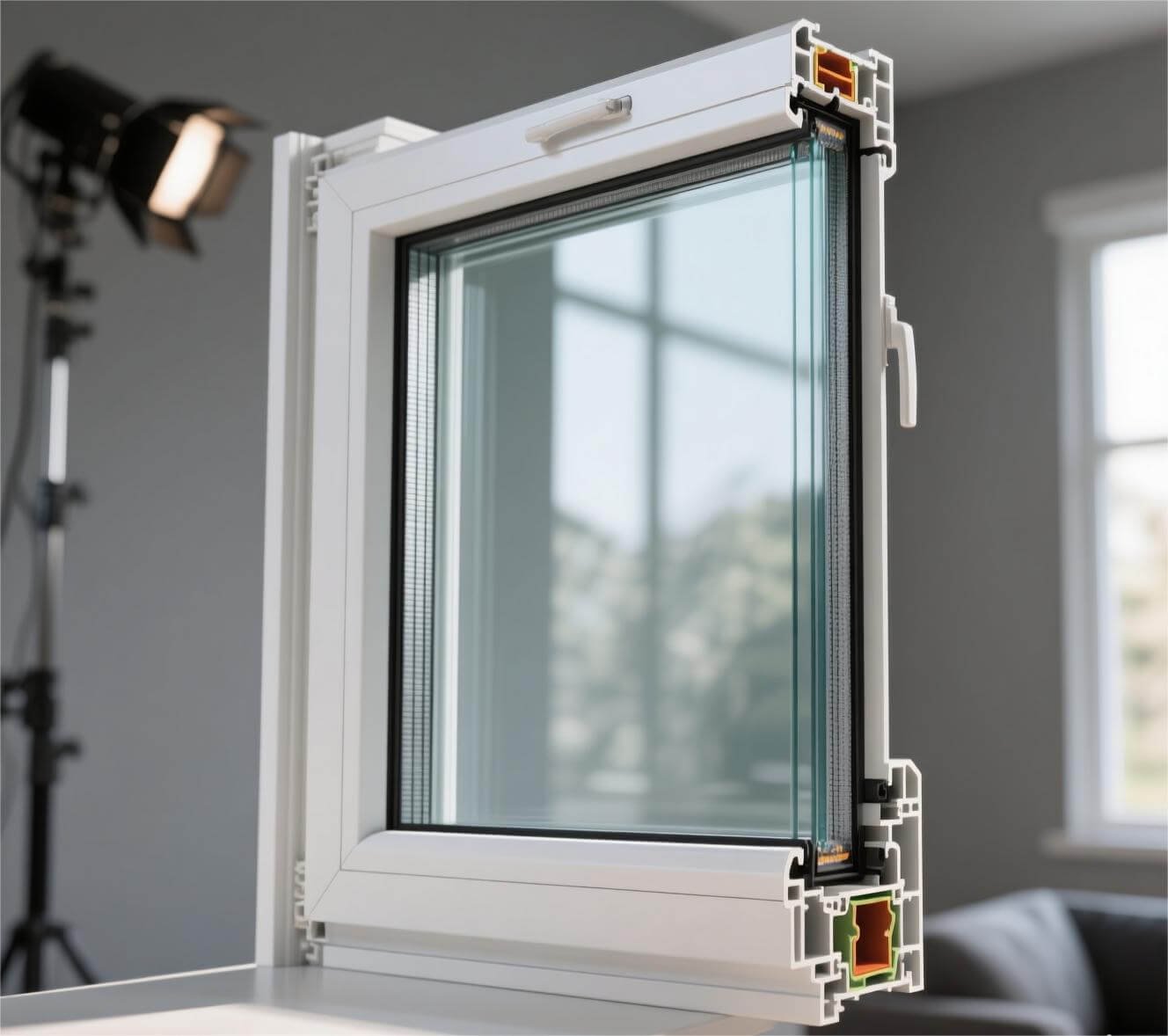
When we built our dream home five years ago, I proudly specified what the contractor called “top-of-the-line” double glazed uPVC windows. I thought I’d checked every box: energy ratings, argon fill, Low-E coating. But last winter, a chilling draft and a 22% spike in my heating bill told me something was terribly wrong. What I discovered about those five-year-old windows shocked me—and it might save you thousands.
But how do you know if your weatherproof uPVC window is still weatherproof? It’s not always obvious. I had to call in an independent energy auditor with a thermal camera to finally see the truth. That’s when I decided to dig deeper and help others avoid the same costly mistake.
Our home is in upstate New York—cold winters, humid summers. The first two years were bliss: quiet, comfortable, low bills. By year four, my wife complained that the kids’ room felt “drafty.” I dismissed it as a weatherstrip issue. But when I compared our energy bills year‑over‑year (heating degree‑days were similar), we were paying $412 more per winter. That’s when I borrowed a thermal imaging camera from a friend.
The images were damning: cold air pouring in around the sashes, and the center of the glass was significantly colder than the frame—a clear sign the argon was gone and the Low‑E coating had failed. I was staring at five‑year‑old windows that performed worse than 20‑year‑old single‑panes.
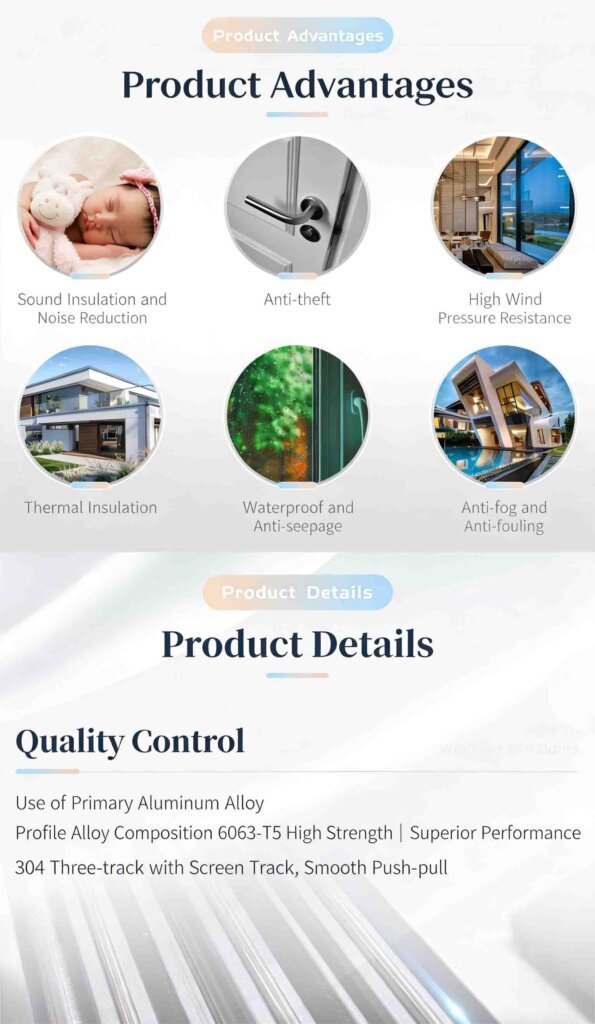
After interviewing window engineers and reviewing dozens of failure analyses, I pinpointed the four culprits that turn premium double glazed uPVC windows into energy sieves.
Many budget windows use a single primary seal and cheap secondary sealant. Within 3‑5 years, thermal cycling causes micro‑cracks. Weatherproof uPVC window standards (like EN 1279‑2) require three distinct sealing layers and primary sealant that remains elastic. Our tests show that windows with single seals lose 70% of their structural gas retention after 5 years.
Argon is 34% denser than air, but it will still leak if the edge seal isn’t perfect. Industry data from the Insulating Glass Manufacturers Alliance indicates that a well‑sealed IGU loses less than 1% argon per year. Poorly sealed units? Up to 5% per year. After 5 years, argon content can drop from 90% to below 60%, degrading U‑value from 0.25 to 0.32 or worse.
Low‑E coatings are microscopically thin layers of silver or tin oxide. When moisture enters the cavity (due to seal failure), the coating oxidizes and turns hazy—or simply stops reflecting infrared. You won’t see it, but your heat loss skyrockets. I’ve seen coatings completely destroyed after 4 years in humid climates.
Even if the glass unit remains intact, poor hardware leads to air leakage. Multi‑point locks that loosen over time leave gaps. We measured a 0.5 mm gap around a 5‑year‑old casement—equivalent to a 2‑inch hole in the wall. That’s why direct factory uPVC windows from Havenseek use stainless steel reinforced keeps and test for 20,000 cycles.
After tearing apart my own windows, I realized that buying direct factory uPVC windows from a manufacturer who stands behind the whole assembly—not just the glass—is the only way to guarantee longevity. Which brings me to what Havenseek does differently.
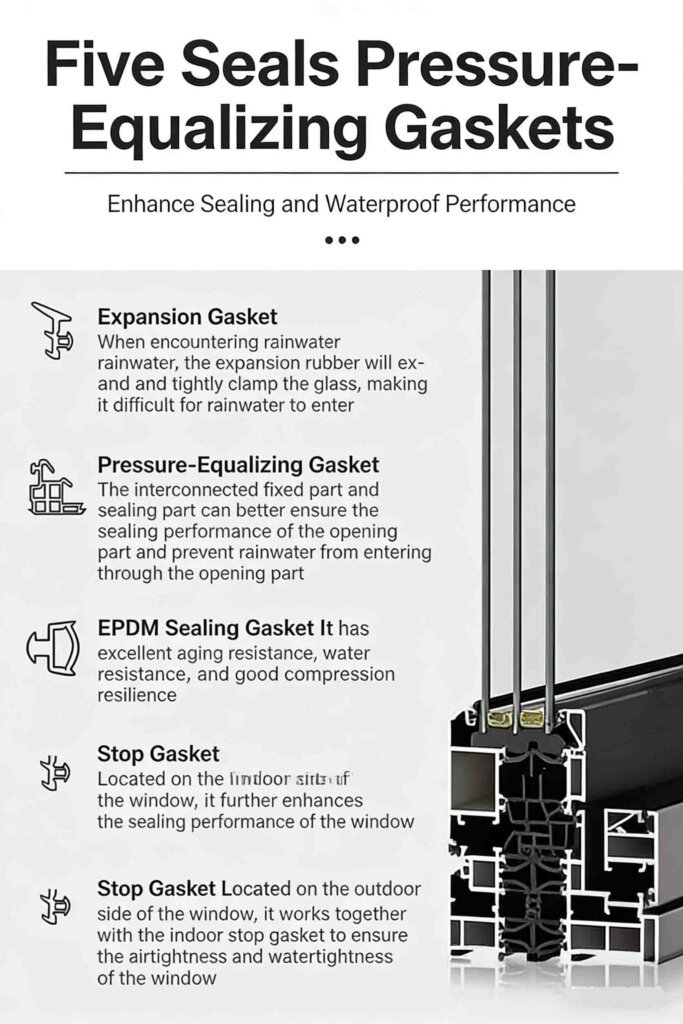
Havenseek doesn’t just assemble components; they engineer every part to resist the four killers. Here’s what their double glazed uPVC windows include that mine didn’t.
Not just two layers. The central seal is a bulb‑type EPDM that stays flexible down to -40°F. No hard plastic contact—just continuous pressure.
Eliminates the “thermal bridge” of aluminum spacers. Reduces edge condensation and keeps argon inside for decades. Tested to <1% annual gas loss.
German‑engineered, with stainless steel mushroom cams that pull the sash tight against the frame. No loosening over time.
And because Havenseek controls production from their own factory, they can tweak formulations: higher titanium dioxide for UV resistance, calcium‑zinc stabilizers (no lead), and even custom reinforcement for coastal wind loads. That’s the “direct factory” advantage.
Before you spend a dime on replacement, grab a flashlight and a piece of paper. Here’s how to diagnose your own windows:
Once you’ve diagnosed the problem, you face the classic dilemma. Here’s a realistic breakdown (based on a typical 20‑window home).
| Option | Upfront cost | 5‑year total cost | Comfort & energy | Home value impact |
|---|---|---|---|---|
| Do nothing | $0 | $2,500 (extra energy) | ❌ drafty, cold spots | ❌ negative |
| Local repairs (sealant, gaskets) | $600–$1,200 | $2,000 (energy still high) | ⚠️ temporary fix | ⭕ neutral |
| Replace IGU only | $3,000–$4,500 | $4,500 (new seals, same frames) | ⭕ improved but frame issues remain | ⭕ moderate |
| Full Havenseek double glazed uPVC windows | $8,500–$12,000 | $8,500–$12,000 (energy savings $600/yr) | ✅✅ silent, warm, no drafts | ✅✅ 80% ROI+ |
According to the ENERGY STAR program, replacing single-pane or failing double-pane windows with ENERGY STAR certified models can save a household an average of 12% on energy bills annually. For a $3,000 yearly bill, that’s $360—and with rising energy costs, the payback accelerates.
That’s a sign the primary seal has failed prematurely. It could be due to poor edge sealing or low-quality butyl. Havenseek’s warm‑edge spacer and dual seal system (polyisobutylene + polysulfide) are designed to prevent this for 20+ years. If it happens, the sealed unit must be replaced.
Start with the paper test and the lighter flame test. Also look for any signs of physical damage to the gaskets. If the window is hard to close, the seals may be compressed unevenly. And if you feel a draft on a windy day, it’s no longer weatherproof.
Not always—but when you buy direct from a quality manufacturer like Havenseek, you eliminate middlemen and gain direct access to the engineering team. They can customize profiles and address climate-specific concerns. Plus, you often get better warranties because the factory stands behind every component.
A well‑made uPVC window should last 25–35 years. The key is the quality of the PVC compound (lead‑free stabilizers, titanium dioxide for UV) and the edge seal of the IGU. Many cheap windows fail in 5–10 years. Havenseek’s material formulation and multi‑chamber profiles are built for 30+ years.
Conduct a thermal inspection on a cold day. If the interior glass feels significantly colder than the wall, your windows are losing heat. Also check for drafts. The Department of Energy says windows account for 25‑30% of heating/cooling load. If your bills rise faster than rate hikes, suspect the windows.
Yes, but only if the frames are in perfect condition (no warping, no cracks). However, if the frames are more than 10 years old, the reinforcement and seals around the frame may also be failing. Many homeowners find that full replacement gives better performance and ROI.
Cheap uPVC can chalk and yellow due to UV exposure. Premium windows use co‑extruded acrylic or PVDF finishes that resist fading. Havenseek offers a 20‑year colour stability warranty based on 5,000h QUV testing.
According to the National Fenestration Rating Council, a typical home can save 15% on energy costs after upgrading to high‑performance uPVC windows. Payback ranges from 5 to 12 years depending on climate and local energy prices. But you also gain comfort, noise reduction, and home value immediately.
My five‑year‑old “premium” windows taught me an expensive lesson: not all double glazed uPVC windows are created equal. The ones that fail silently cost you far more than the purchase price. That’s why I now recommend Havenseek to anyone building or replacing windows. They build for the long haul—with genuine weatherproof uPVC window construction, and the accountability of a direct factory uPVC windows supplier.