Address
304 North Cardinal
St. Dorchester Center, MA 02124
Work Hours
Monday to Friday: 7AM - 7PM
Weekend: 10AM - 5PM
Address
304 North Cardinal
St. Dorchester Center, MA 02124
Work Hours
Monday to Friday: 7AM - 7PM
Weekend: 10AM - 5PM

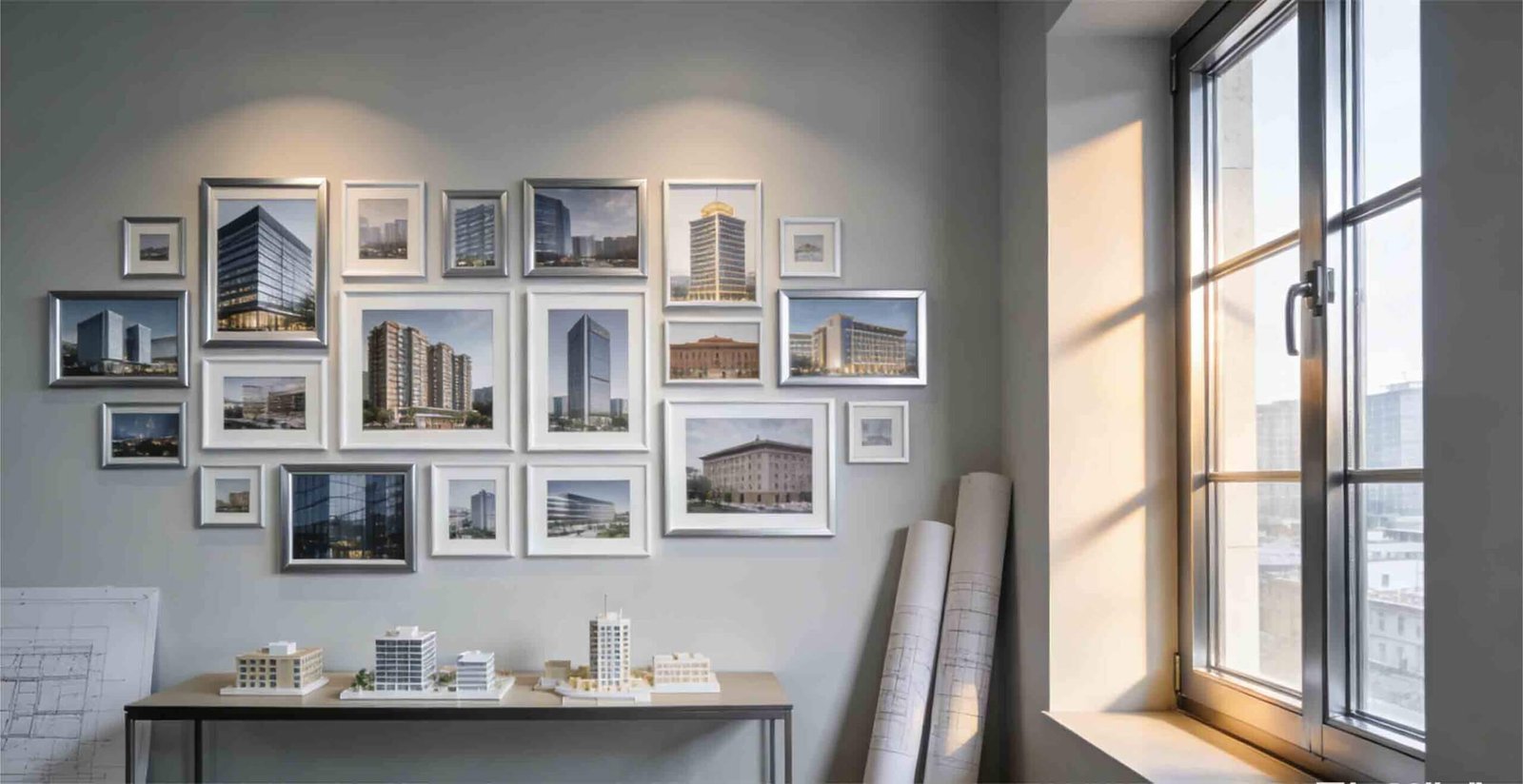
Why does this article deserve your full attention? If you’re reading this, you’re likely considering sourcing aluminum windows for a commercial, hospitality, or large-scale residential project. The allure of cost savings from a China aluminum windows supplier is clear, but so are the horror stories. Finding the right aluminum windows manufacturer can be the difference between project success and a costly disaster. I’ve seen projects derailed by poor quality, endless delays, and frustrating miscommunication. This isn’t another surface-level “10 tips” article. This is a deep dive into a real project—warts and all—showing you exactly how a savvy buyer navigated the process and won big. You’ll get the insider perspective from the factory side, revealing what truly separates a reliable partner from a risky vendor. Let’s get into it.
The “Coral Bay Resort” was a stunning 120-room development on a pristine Vietnamese island. The architect’s vision featured floor-to-ceiling glass, blurring the lines between luxurious interiors and the tropical seascape. Beautiful, but a nightmare for any aluminum windows manufacturer. Their specifications weren’t just a list of sizes; they were a performance manifesto:
Initial quotes from established local and European suppliers came in 50-70% over budget. The project’s viability was at stake. Sourcing from a China aluminum windows factory became the only feasible path to meet the budget, but it introduced a new set of fears. As the project manager told me later: “Our biggest worry wasn’t the price. It was the uncertainty. How do we trust drawings and quality checks from 2,000 miles away? What if the product arrives and it’s all wrong?” This is the fundamental anxiety we needed to dismantle.
The client’s team was methodical. They didn’t just blast their RFQ to 50 suppliers on Alibaba. They shortlisted three specialized aluminum windows factories based on proven project portfolios. Here’s what truly differentiated the process.
Before discussing a single dollar, they requested evidence. Not just shiny brochures, but:
This is where the magic happened. Instead of just accepting their architect’s initial profile design, we proposed a joint technical review. In a 3-hour video conference, our engineers, their architect, and the local facade consultant examined the CAD drawings.
The Result? We identified an over-engineered aspect of the thermal strut. By suggesting a slight, code-compliant modification, we reduced the aluminum consumption without compromising performance. This single collaborative step built more trust than a month of emails and directly contributed to the final cost saving. It signaled we were problem-solvers, not just order-takers.
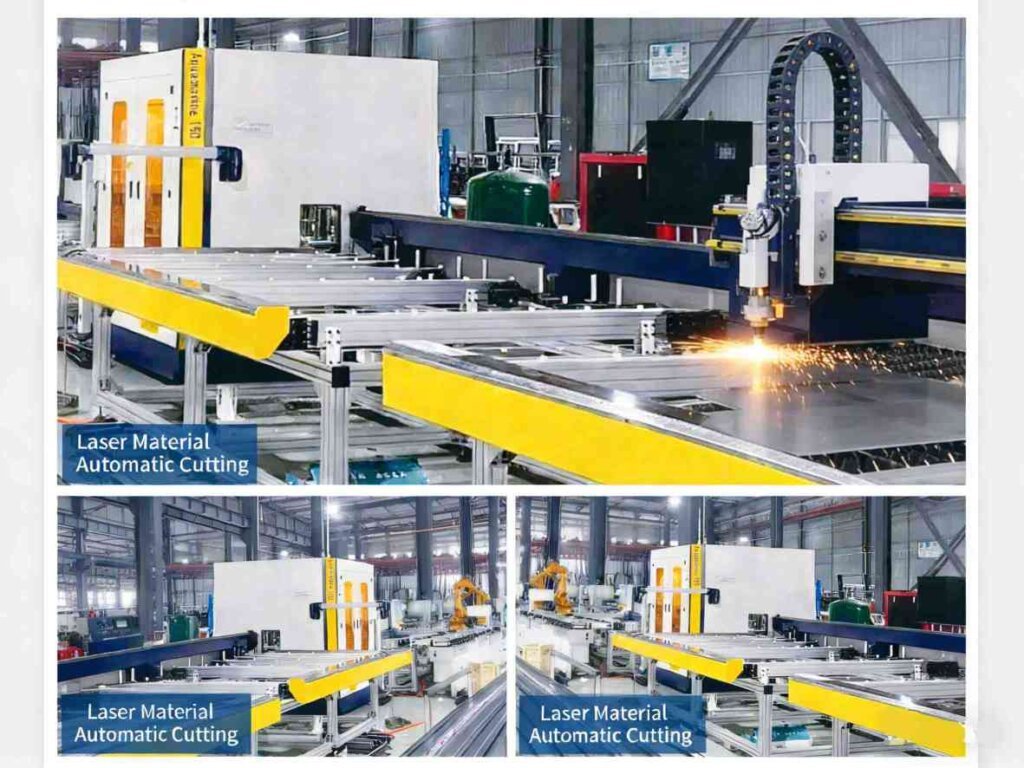
Once the contract was signed, the client’s anxiety typically peaks: “What’s happening in the factory?” We turned the “black box” into a glass box.
We mapped the entire production process with designated “Quality Gates” (QGs). Before proceeding to the next stage, photos and data were shared via a dedicated project portal.
| Quality Gate | Checkpoint & Evidence Shared | Why It Matters |
|---|---|---|
| QG1: Raw Material | Mill certificates for the 6063-T5 aluminum alloy; batch numbers for AkzoNobel powder coatings. | Ensures material integrity from the very start. Garbage in, garbage out. |
| QG2: Surface Treatment | Digital photos of coated samples with a coating thickness gauge reading (aim: 80-120 microns). | Prevents premature corrosion. This is critical for any China aluminum windows project in harsh environments. |
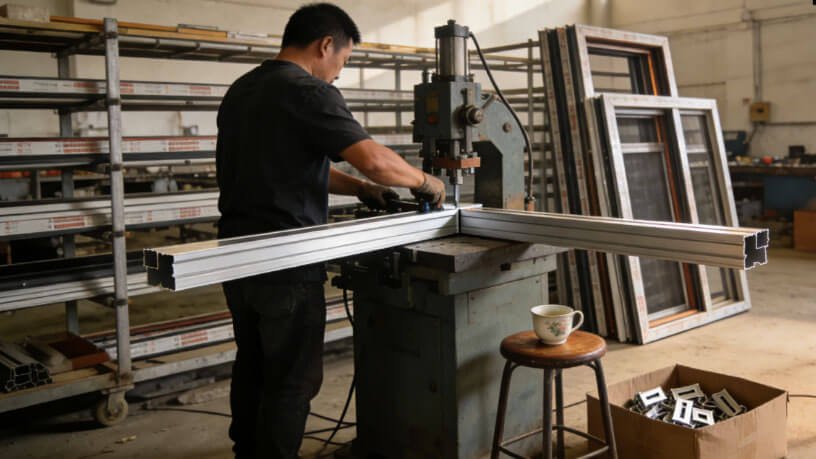
| QG3: Fabrication & Assembly | Close-up videos of corner cleaning before two-component polyurethane injection, ensuring a perfect, waterproof joint. | The #1 cause of window failure is poor corner assembly. This visual proof is priceless. |
| QG4: Pre-Shipment Mock-Up | A 10-minute water spray test video on a random selected unit, simulating heavy rain. | Provides ultimate peace of mind. You see the product performing before it leaves the factory. |
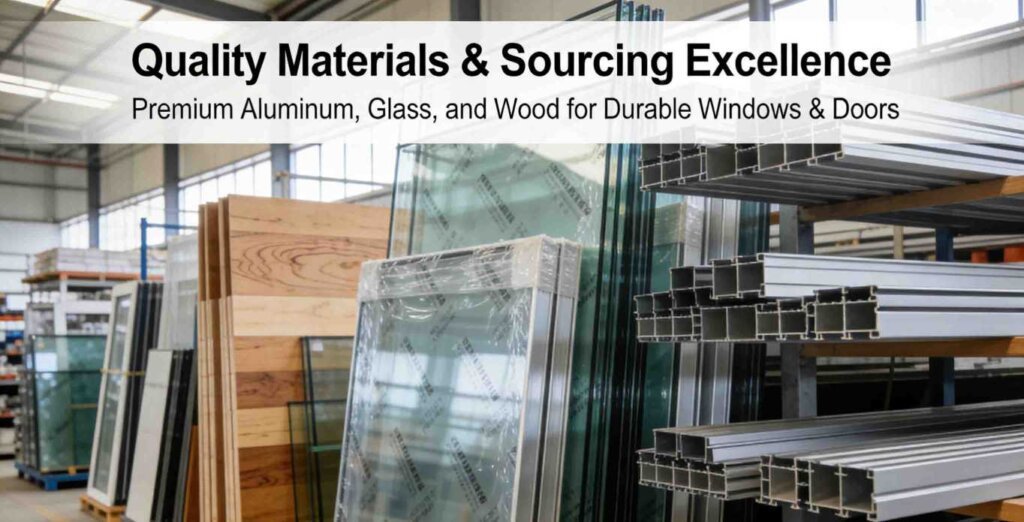
One of the client’s explicit fears was “What if everything arrives bent or scratched?” For the Coral Bay project, we didn’t use standard flimsy cardboard. Every window unit was:
The result? Zero shipping damage. The cost of this premium packing was a fraction of the cost and delay of dealing with even 2-3% damaged goods on site.
This phase underscored a crucial distinction. A transactional aluminum windows manufacturer just builds to print and ships. A partner manages risk proactively. By making our process transparent and evidence-based, we eliminated the “fear of the unknown” that paralyzes so many importers. The client’s project manager slept better at night, and that has tangible value.
The job of a good aluminum windows factory isn’t done when the container leaves the port. Improper installation can ruin the best-made window.
Alongside the windows, we shipped a comprehensive document pack. This included:
Let’s break down the myth that savings from a China aluminum windows supplier are just about cheap labor.
The final feedback? The hotel’s GM noted not just the aesthetic appeal, but specifically mentioned the remarkable acoustic insulation from the nearby beachfront and the complete absence of leaks during the first major storm season.
This case study provides a replicable framework. Your goal is to find a partner, not just a vendor. Here’s how.
When you get quotes, score each potential aluminum windows factory on these criteria (1-10 scale). Price should be just one column.
| Criteria | What to Ask / Look For | Weight |
|---|---|---|
| 1. Engineering Responsiveness | Do they ask smart questions about your specs? Do they propose alternatives or just say “yes”? | 25% |
| 2. Quality Documentation | Can they provide recent, relevant test reports? What’s their internal QC process (ask for a flowchart)? | 25% |
| 3. Project Case Studies | Request 2-3 projects similar in scale/complexity to yours. Ask for a reference contact. | 20% |
| 4. Packaging & Logistics Plan | How will they pack for ocean freight? Request photos of past project packing. | 15% |
| 5. Post-Sales Support | What installation guidance do they provide? Is there a warranty process? | 15% |
The Coral Bay Resort story isn’t a lucky one-off. It’s the result of a proven methodology for partnering with a capable aluminum windows factory.
Get the full, detailed technical summary of the Coral Bay project, including the specific profile system details and test data. Use it as a benchmark for your own project discussions.
Get Your Free Project Consultation & Case Study PDFConnect with our project engineering team within 12 hours.
For a standard project-grade system with custom sizes, expect 8-14 weeks FOB. This includes design finalization, material procurement, production, quality testing, and packing. The timeline varies based on order volume, profile complexity, and surface treatment. For the Coral Bay project, we delivered in 14 weeks from final drawing approval. Always buffer an extra 2-3 weeks for shipping and customs clearance.
A reliable partner will make remote inspection seamless. Insist on: 1) Pre-production samples for color, finish, and hardware feel. 2) Stage-gate documentation (photos/videos of coating thickness, corner assembly, welding). 3) Third-party inspection. You can hire agencies like SGS or BV to conduct an in-factory inspection before shipping for a few hundred dollars—a fantastic investment for peace of mind.
For first-time buyers, expect 30-50% deposit with order, balance against copy of Bill of Lading (BL). As trust builds, terms can evolve. For Coral Bay, we agreed on 40% deposit, 50% before shipment, and 10% retention after successful on-site installation. Never pay 100% upfront. Letters of Credit (LC) are also common for large orders, protecting both parties.
Absolutely, but understand the implications. Custom extrusion dies are required, costing $1,500-$3,000 and adding 4-6 weeks to the lead time. It’s only economical for large volumes (typically >5,000 meters). For most projects, modifying existing, standard profile systems is the smarter, faster, and more cost-effective route. A good engineering team will show you how.
Typically, the buyer arranges local installation. The factory’s role is to provide comprehensive support. This includes detailed installation manuals, recommended material lists, CAD details, and often, real-time digital support (like WhatsApp video calls) during critical installation phases. Some factories offer supervised installation for an additional fee, sending an engineer to site.
This is a critical discussion point. You must provide the specific test standards you need to meet (e.g., ASTM, AS, EN). A competent factory will either have existing test reports for similar projects or be willing to conduct new testing (at a cost) to generate the required data. For Coral Bay, we provided existing ASTM reports and engineered the system to meet the specific wind load calculations provided by their engineer.