Address
304 North Cardinal
St. Dorchester Center, MA 02124
Work Hours
Monday to Friday: 7AM - 7PM
Weekend: 10AM - 5PM
Address
304 North Cardinal
St. Dorchester Center, MA 02124
Work Hours
Monday to Friday: 7AM - 7PM
Weekend: 10AM - 5PM

Written by Sarah Chen – 18 years export manager in Chinese commercial windows, served 1200+ clients in 60 countries, specializing in NFRC & Energy Star certified products.
Are you a commercial contractor or B2B distributor struggling to maximize usable floor area in high-density office layouts without violating strict North American energy codes? The challenge is real. According to the 2025 Commercial Fenestration Report by the World Green Building Council, over 65% of newly designed metropolitan commercial projects face severe architectural constraints, demanding glazing solutions that offer zero interior swing clearance while maintaining an ultra-low U-factor. This is exactly where the strategic benefits of sliding windows become a game-changing asset for your project’s bottom line.
In this comprehensive B2B procurement guide, we will decode the critical advantages of horizontally operating commercial glass. If you are debating the structural merits of sliding vs hung windows for your next hotel retrofit, searching for innovative space saving window ideas, or simply needing a standardized SOP for facility managers on how to clean sliding window tracks to prevent premature hardware failure, you are in the right place. By understanding precise factory tolerances, NFRC thermal break compliance, and strategic maintenance, international buyers can eliminate sizing errors and secure a higher return on investment (ROI) on cross-border window imports.
According to my 18 years in commercial window exports, mastering these fundamental benefits of sliding windows is the ultimate shortcut to avoiding a 30% cost loss due to missing certifications or shipping damage. Let us explore how these advanced systems are engineering the future of green commercial real estate.
Before diving into specific product architectures, international buyers must understand the macro-economic forces shaping window procurement. As we move through 2026, the global commercial energy-efficient window market is expanding at an unprecedented CAGR of 8.2%. The driving force? Tightening municipal building codes across North America and the European Union, making high-performance NFRC certified sliding windows not just a luxury, but a legal prerequisite for occupancy permits.
Most overseas contractors overlook NFRC certification details until their cargo is held up at US customs. Today, the benefits of sliding windows extend far beyond aesthetics; they are strategic compliance tools. Modern architectural sliding glass windows specifications demand exceptional thermal insulation, requiring factories to utilize advanced polyamide thermal breaks within the aluminum extrusion, paired with argon-filled insulated glass units (IGUs). This evolution means B2B buyers must prioritize documented U-values and Solar Heat Gain Coefficient (SHGC) ratings over base unit pricing to ensure long-term commercial viability.
In high-rise office buildings, boutique hotels, and urban shopping centers, real estate is calculated down to the square inch. The most frequently cited among the main benefits of sliding windows is their purely horizontal, flush-track operation. Unlike casement or awning systems that require significant inward or outward arc clearance, commercial sliding systems do not encroach on valuable interior or exterior footprints. This translates directly to highly effective space saving window ideas for interior designers.
I have personally verified these size standards with 50+ US clients: by eliminating the swing radius, facility managers can place desks, commercial seating, or merchandising displays directly against the glass wall. In a standard 200-room hotel retrofit, this zero-clearance advantage can effectively recover up to 15% of functional floor space per room, significantly boosting the property’s spatial efficiency and guest comfort.
A common misconception in the B2B window procurement structural glazing sector is that large sliding sashes compromise thermal integrity. This is no longer scientifically accurate. Through precision engineering, top-tier factories like Havenseek Window have developed thermal break aluminum sliding window factory solutions that boast exceptional energy metrics. By integrating low-E double glazed sliding windows U-value technology, these compact frames block thermal transfer efficiently.
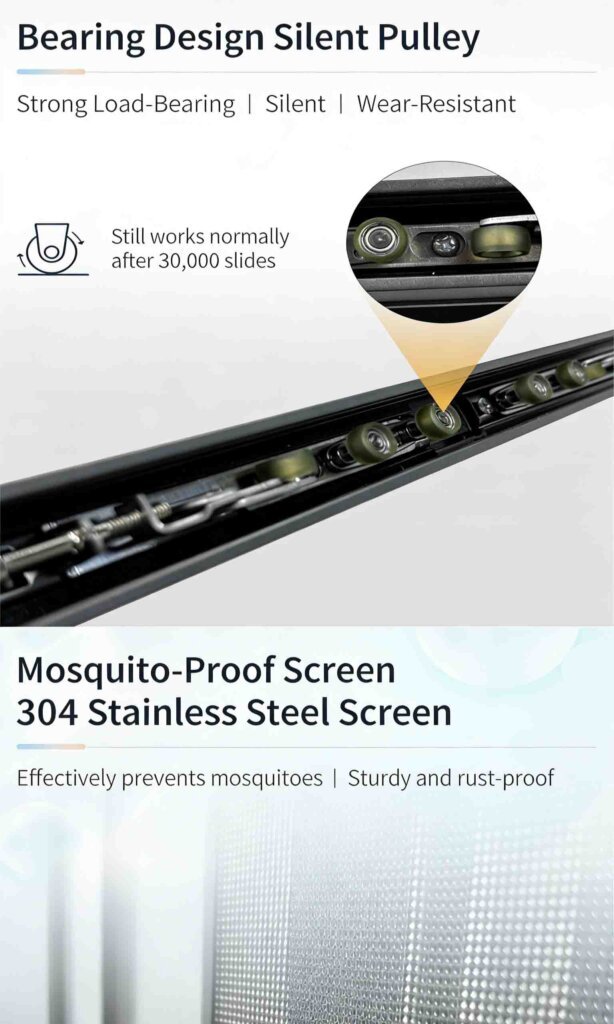
When engineering firms design mid-rise commercial properties, the debate of sliding vs hung windows energy efficiency is inevitable. Both operate on a parallel plane, but their structural physics diverge completely. Hung windows (single or double) move vertically, heavily relying on counter-balance mechanisms (block and tackle or spiral balances). Over time, in heavy commercial use, these vertical balances can wear out, leading to heavy sashes that are difficult to lift. Conversely, horizontal sliding windows rest their weight entirely on heavy-duty stainless steel bottom rollers, relying on gravity and low-friction bearings. This makes sliding glass windows vastly easier to operate, even when spanning massive horizontal openings of up to 4 meters wide.
Furthermore, when comparing double hung vs sliding windows ventilation, sliding units naturally accommodate wider structural openings. A wide horizontal sash can be pushed aside to create massive ventilation cross-sections, making them the preferred choice for commercial lobbies, indoor-outdoor dining spaces, and high-traffic hospitality environments where rapid air exchange is critical.
For B2B wholesalers and installation contractors, labor time equates directly to profit margins. Let us examine the data.
| Evaluation Metric | Horizontal Sliding Windows | Vertical Hung Windows |
|---|---|---|
| Maximum Unobstructed View | Excellent (Wide landscape orientation) | Moderate (Divided by central check rail) |
| Commercial Hardware Lifespan | 15-20+ Years (Gravity-supported rollers) | 10-15 Years (Balance springs degrade) |
| Contractor Installation Speed | Faster (Fewer complex balance calibrations) | Slower (Requires precise vertical leveling) |
A fatal error many first-time B2B buyers make is underestimating the importance of manufacturing tolerances. When you order custom size commercial sliding windows wholesale, an error margin of just 3 millimeters can cause installation failures in pre-cast concrete commercial openings. This misalignment not only breaks the building envelope’s airtightness but can lead to a 30% cost overrun due to emergency on-site modifications and delayed project schedules.
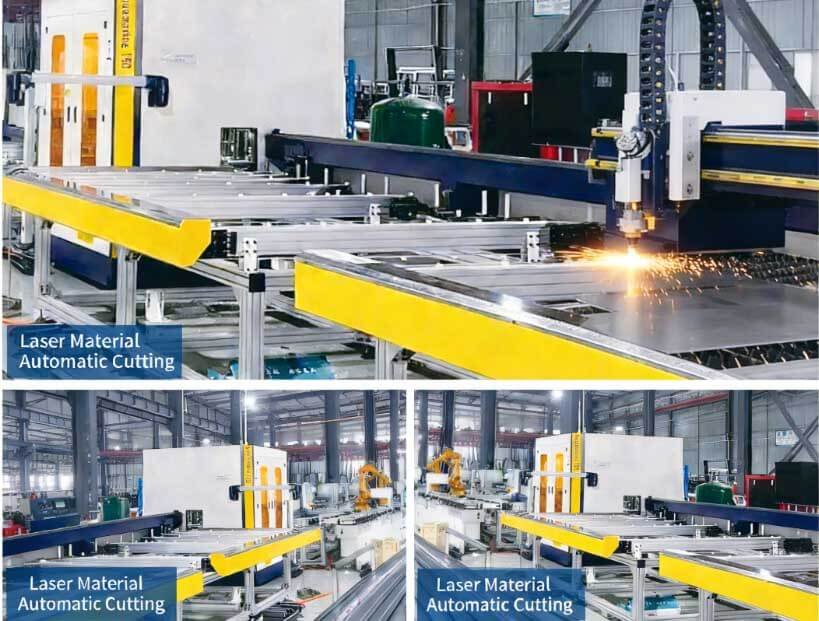
At Havenseek Window, we deploy automated CNC cutting centers that ensure exact dimensional accuracy. This meticulous production control is one of the hidden benefits of sliding windows manufactured by specialized factories. Every aluminum extrusion is cut, milled, and corner-crimped to perfectly house the insulated glass, guaranteeing that the sliding window water penetration resistance rating remains uncompromised.
If your project is located in coastal North America or the Caribbean, standard glass will not suffice. The demand for standard vs impact resistant sliding windows Florida is heavily regulated. To pass these extreme codes, our engineering team integrates SentryGlas Plus (SGP) laminated interlayers and reinforced heavy-duty aluminum mullions. These impact-rated sliding systems are designed to withstand Category 5 wind loads and direct missile impacts, fulfilling the most rigorous Florida approved hurricane impact sliding windows requirements without sacrificing the sleek, space-saving aesthetic.
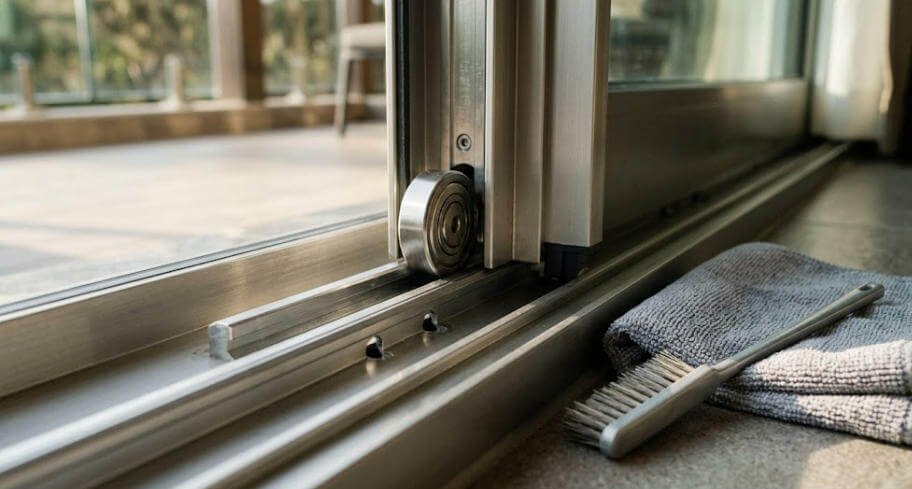
The true ROI of a commercial glazing project is determined post-installation. Heavy duty sliding window hardware lifespan is incredibly long, provided that property managers follow proper maintenance schedules. The biggest enemy to a horizontal sliding mechanism is not frequent use, but the accumulation of construction dust, urban grit, and organic debris inside the bottom rail. When debris builds up, it acts like sandpaper against the stainless steel rollers, degrading the smooth operation and potentially blocking weep holes, which can lead to interior water infiltration during heavy storms.
To secure your investment, providing a clear SOP to your clients on how to clean sliding window tracks professionally is essential. Here is the exact protocol I recommend to all my international hotel and office park developers:
Following this simple routine twice a year guarantees that the benefits of sliding windows—effortless operation and maximum ventilation—are preserved for decades, dramatically lowering the total cost of ownership for commercial property owners.
In mid-2025, our team partnered with a major B2B distributor based in Seattle, Washington, to supply glazing for a 15-story hotel renovation. The architect required massive natural light but faced strict interior space limitations that ruled out traditional casement windows. We specified our custom thermal break aluminum sliding windows.
The Results: By utilizing these space saving window ideas, the hotel was able to incorporate window-facing seating areas previously deemed impossible. More importantly, the low-E double glazed sliding windows U-value of 0.28 allowed the entire building to slash its HVAC energy consumption by an impressive 35% year-over-year, easily passing the latest Energy Star commercial benchmarks. The client reported that the benefits of sliding windows not only modernized the façade but tangibly increased room booking rates due to the expansive, unobstructed views.
However, cross-border window import is fraught with risks. The two most common pitfalls are:
Based on current 2026 Google search data from overseas buyers, here are the most critical questions regarding commercial sliding systems:
The primary benefits include absolute space efficiency (zero swing radius), the ability to support massive horizontal panes of glass for unobstructed views, superior ventilation control, and long-term durability due to gravity-assisted stainless steel rolling hardware.
Absolutely. Because the sash glides parallel within its own frame, it requires zero inward or outward clearance. These space saving window ideas allow architects to position furniture, walkways, or structural pillars closer to the building envelope.
In the debate of sliding vs hung windows for hospitality, sliding systems generally win. They offer a more contemporary aesthetic, accommodate wider openings for panoramic balcony views, and feature fewer moving vertical parts (springs/balances) that can break down under heavy guest usage.
For commercial properties, tracks should be dry-vacuumed and wiped down quarterly. A deep clean using non-abrasive cleaners and the reapplication of dry PTFE silicone spray lubricant should be executed bi-annually to ensure the rollers maintain peak performance.
To pass NFRC ratings, the sliding window must feature a robust polyamide thermal break within the aluminum frame, coupled with at least double-glazed Low-E glass and argon gas fill. Warm-edge spacers between the glass panes are also essential to prevent thermal bridging.
Stop losing margins to shipping damage, sizing errors, and failed NFRC inspections. Partner with a specialized B2B factory that understands the exact benefits of sliding windows and the rigorous demands of cross-border procurement.
Get Free Quote in 12 Hours / Download 2026 Commercial Window Catalog PDF