Address
304 North Cardinal
St. Dorchester Center, MA 02124
Work Hours
Monday to Friday: 7AM - 7PM
Weekend: 10AM - 5PM
Address
304 North Cardinal
St. Dorchester Center, MA 02124
Work Hours
Monday to Friday: 7AM - 7PM
Weekend: 10AM - 5PM

Written by Sarah Chen – 18 years export manager in Chinese commercial windows, served 1,200+ clients in 60 countries, specializing in NFRC & ENERGY STAR certified products.
According to my 18 years in commercial window exports, the most devastating mistake overseas contractors make is underestimating the complexity of cross-border fenestration compliance. In 2026, importing a commercial upvc casement window is no longer just about negotiating the lowest wholesale price per square meter. With the aggressive rollout of ENERGY STAR Version 7.0 and stringent European safety directives, a minor sizing error or a missing NFRC certification label can result in severe customs delays, failed building inspections, and up to a 30% surge in unexpected project costs. Whether you are outfitting a towering office complex in North America or a luxury beachfront resort in Southeast Asia, getting the exact specifications right is absolutely critical.
To navigate these turbulent waters, partnering with an elite upvc window manufacturer is your safest strategy. This comprehensive guide will dissect the precise engineering behind an authentic energy efficient vinyl window, providing you with the exact dimensional charts, thermal performance data, and compliance checklists required for 2026. By mastering the sizing and specifications of a high-performance upvc casement window, you will drastically reduce installation rework, ensure seamless customs clearance, and deliver game-changing HVAC savings for your commercial clients.
The landscape of commercial construction has permanently shifted. Based on the latest data from global environmental initiatives, buildings account for nearly 40% of global energy consumption. Consequently, the demands placed on an energy efficient vinyl window have never been higher. The global energy-efficient window market is experiencing a massive 8.5% CAGR, driven largely by retrofitting projects and new green building mandates across North America and the EU.
Most overseas contractors overlook NFRC certification details when importing from overseas, focusing solely on the glass. However, the frame is equally critical. In 2026, a standard upvc casement window must function as a comprehensive thermal barrier. Whether you are dealing with commercial building ENERGY STAR 7.0 windows in New York or seeking optimal SHGC parameters for tropical climates in Singapore, understanding these macro trends is the first step toward profitable B2B sourcing.
Achieved by utilizing NFRC-certified modern upvc windows in high-rise commercial complexes.
The new mandatory baseline for energy efficient vinyl window specifications in northern climates.
You cannot simply guess the dimensions when ordering commercial fenestration products. When evaluating upvc casement window standard sizes, precise millimeter accuracy is mandatory. A common misconception among buyers is that European CE marking and North American sizes are universally interchangeable. They are not. A trusted NFRC certified upvc window manufacturer will always provide detailed extrusion blueprints that map exactly to local commercial upvc window U-factor limits.
For instance, to comply with ENERGY STAR 7.0 in the Northern Climate Zone, an energy efficient vinyl window must typically demonstrate a U-Factor of 0.22 or lower. Achieving this requires a specific frame depth, usually exceeding 70mm, to accommodate triple insulated glass or specialized argon-filled double glazing. If your upvc casement window frame is too narrow, it simply cannot hold the heavy-duty glass required to pass the stringent thermal tests.
To help you avoid measurement disasters, here is a critical reference matrix for standard commercial applications. Note that while these are standard, a B2B upvc window turnkey solutions provider can customize these measurements to the exact millimeter to fit precise architectural rough openings.
| Application Type | Common Dimensions (W x H) mm | Required Hardware | Compliance Target |
|---|---|---|---|
| Low-Rise Office Center | 600 x 1200 / 800 x 1400 | Heavy-duty upvc casement window hinges | CE Marking / NFRC U-Factor limits |
| Hospitality / Luxury Hotels | 1000 x 1500 / Custom sizing | Multi-point secure locking systems | High STC Rating (Sound Insulation) |
| Top-Hung Ventilation | Awning window chart varies (e.g., 900 x 600) | Friction stays and restrictors | US Safety Gate Compliance |
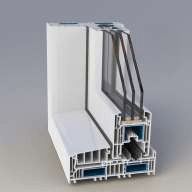
One of the most frequent debates in my B2B consultations is the upvc casement vs thermally broken aluminum dilemma. Historically, commercial developers defaulted to aluminum for its perceived structural strength. However, the upvc vs aluminum windows ROI analysis for 2026 paints a drastically different picture. When analyzing the total cost of ownership, a high-grade upvc casement window consistently outperforms traditional aluminum setups.
Because UPVC (Unplasticized Polyvinyl Chloride) is a natural insulator, it does not require a highly complex, artificial thermal break inserted into the frame. The upvc window multi-chamber structural integrity naturally traps air, completely preventing thermal bridging. This inherent design lowers the initial wholesale upvc casement window pricing compared to premium thermally broken aluminum systems, while delivering superior energy efficient vinyl window specifications over a 30-year lifecycle.
If your project aims for high-tier green building certifications, product selection is critical. Energy efficient vinyl window LEED certification points are awarded based on exceptional thermal performance and sustainable, recyclable manufacturing processes. By integrating modern upvc windows, contractors can secure vital points in the Energy and Atmosphere (EA) category. The cost-saving implications here are massive: buildings with LEED certification command higher rental yields and substantially lower operating costs.
Do not just look at the unit price per window. When calculating custom wood grain upvc window cost, factor in the 20-30% reduction in commercial HVAC sizing requirements. A superior upvc casement window keeps the building naturally cooler in summer and warmer in winter, meaning you can specify smaller, less expensive climate control systems for the entire building.
Modern commercial architecture no longer accepts a compromise between high aesthetic appeal and structural durability. In high-end hospitality and luxury office spaces, the demand for a wood grain upvc window for commercial buildings has skyrocketed. Architects deeply desire the warmth and premium feel of natural mahogany, oak, or walnut, but absolutely refuse to accept the high maintenance, rotting, repainting, and warping associated with real timber.
Through advanced European lamination technologies, a top-tier upvc window manufacturer bonds a highly durable, UV-resistant architectural foil directly to the PVC profile. This rigorous process ensures the wood grain upvc foil UV resistance test yields perfect results, guaranteeing the color will not blister, fade, or peel even under intense equatorial sun exposure. These modern upvc windows for hotel projects deliver a flawless visual upgrade while maintaining absolute weather resistance.
Beyond stunning looks, commercial settings demand extreme functional resilience. When outfitting a building in a bustling urban center or near a busy highway, the modern upvc windows sound insulation rating (STC) becomes a definitive dealbreaker. By combining asymmetrical double insulated glass with the natural vibration-dampening properties of a thick UPVC frame, developers can achieve whisper-quiet interior environments.
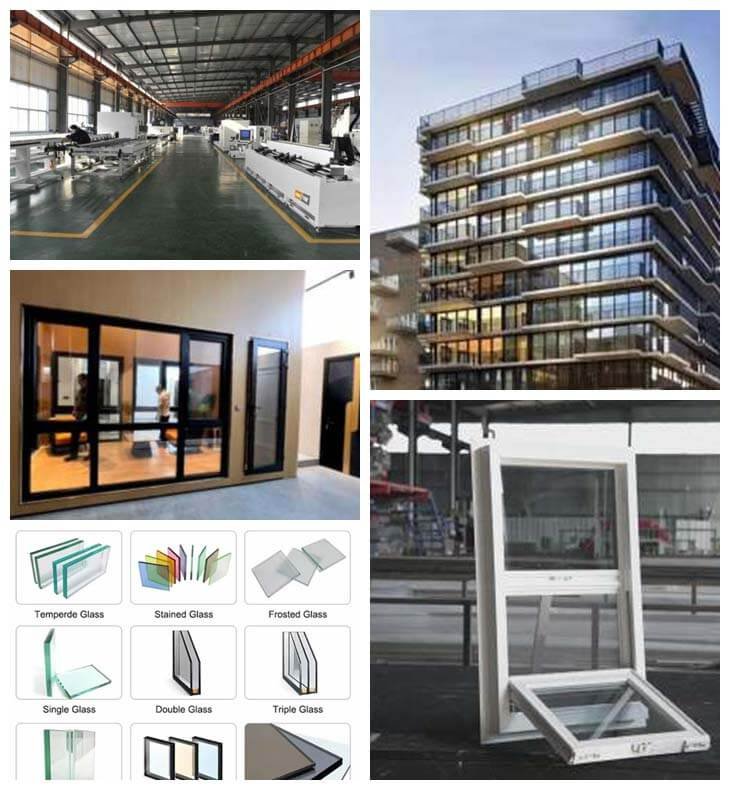
What separates a world-class upvc window manufacturer from a low-end, unreliable supplier? The answer lies deep inside the extrusion process. The upvc casement window extrusion process dictates the absolute final quality of the profile. Premium manufacturers use pristine, virgin UPVC resin blended with high-grade titanium dioxide (TiO2) to permanently prevent UV discoloration and brittleness. The profiles are carefully extruded with 5, 6, or even 7 internal geometric chambers.
This upvc window multi-chamber structural integrity is the engineering secret behind the ultra-low U-factors. Each internal chamber acts as an isolated pocket of dead air, fiercely resisting thermal bridging from the outside environment. When I personally tour the factory floor to audit production, I always inspect the wall thickness of these profiles. Commercial-grade class A profiles must have an outer wall thickness of at least 2.8mm to 3.0mm to safely support heavy commercial glazing.
You cannot afford to discover a catastrophic window leak after the exterior scaffolding has been removed. A stringent upvc window manufacturer quality control checklist is your ultimate insurance policy. Before any bulk B2B batch is approved for export packaging, it must undergo punishing physical stress tests.
Learning how to import upvc windows from overseas manufacturing hubs is a high-stakes endeavor. If you fail to verify cross-border upvc window compliance CE standards or US Safety Gate requirements, your entire valuable shipment could be permanently seized at the destination port. Recent data indicates a sharp increase in building material shipment rejections due to missing structural safety certifications.
To completely avoid these devastating supply chain delays, always demand a comprehensive compliance dossier from your upvc window manufacturer upfront. This critical file must include verified test reports from independent, internationally recognized laboratories (such as Intertek or SGS) proving the glass and frame meet the specific standards for commercial fenestration in your target region.
Let’s look at a concrete, game-changing example. In a recent 12-story commercial office project located in hot and humid Southeast Asia, the lead contractor initially considered standard, non-thermally broken aluminum frames. By consulting with a turnkey solutions provider and switching to a high-performance energy efficient vinyl window solution, the results were astounding.
We specifically engineered the upvc casement window profiles to accommodate specialized Low-E glass, strictly targeting the optimal SHGC parameters for tropical climates to aggressively reflect solar heat. Furthermore, we provided precise, step-by-step guidance on how to accurately measure a upvc casement window for replacement to ensure a flawless fit into the existing concrete rough openings. The outcome? A documented 35% reduction in daily air conditioning electrical loads and a seamless, on-time project handover with zero customs delays.
To fully comply with modern green building codes and ENERGY STAR 7.0 requirements, a commercial upvc casement window should typically achieve a U-factor between 0.20 and 0.28, heavily depending on the specific regional climate zone and local building regulations.
Exceptionally well. A premium wood grain upvc window is completely impervious to salt-spray corrosion, unlike standard aluminum or steel framing. When subjected to a rigorous wood grain upvc foil UV resistance test, the advanced lamination proves highly resistant to blistering, peeling, and fading in harsh coastal sun.
When learning how to measure upvc casement window for replacement, you must measure the exact width and height of the concrete rough opening in three distinct places (top, middle, bottom; left, center, right). Take the absolute smallest measurement and deduct exactly 10mm (or 1/2 inch) to allow proper space for squaring, structural shimming, and weather-tight sealant application.
Partnering with a fully NFRC certified upvc window manufacturer guarantees that the critical energy efficient vinyl window specifications you are promised are independently verified by a third party. This prevents devastating compliance failures at customs and ensures your building will actually pass final governmental energy audits.
The dominant global energy trends in fenestration 2026 include a massive shift toward comprehensive B2B upvc window turnkey solutions, the mandatory adoption of triple insulated glazing in northern climates, and the strict enforcement of lower commercial upvc window U-factor limits to effectively combat rising global HVAC operational costs.
Based on accurate wholesale upvc casement window pricing data for 2026, UPVC generally offers a highly attractive 15-25% upfront cost advantage over high-end thermally broken aluminum systems, while delivering equivalent or vastly superior thermal insulation, effectively maximizing your project’s long-term ROI.
Stop gambling with unverified specifications and risky cross-border compliance. Partner directly with a leading manufacturer for NFRC-compliant, precision-engineered modern upvc windows that protect your project margins and your professional reputation.
Get Free Quote in 12 HoursOr request to Download our 2026 Commercial Window Catalog PDF directly.
Authoritative Industry References: