Address
304 North Cardinal
St. Dorchester Center, MA 02124
Work Hours
Monday to Friday: 7AM - 7PM
Weekend: 10AM - 5PM
Address
304 North Cardinal
St. Dorchester Center, MA 02124
Work Hours
Monday to Friday: 7AM - 7PM
Weekend: 10AM - 5PM


Are sizing errors and strict compliance failures costing your commercial building projects up to 30% in unnecessary overhead? You are certainly not alone. Sourcing the exact heavy duty sliding window systems is absolutely critical for modern high-rise and commercial developments. In early 2026, the global demand for energy-efficient fenestration surged dramatically, making the procurement process more complex than ever. This comprehensive guide covers everything you need to know about the heavy duty sliding window.
Whether you are meticulously comparing a sliding vs casement window for a luxury hotel, or you are actively looking for a reliable aluminum sliding window with screen for a tropical resort project, we have you completely covered. Let us dive deep into the core engineering specifications of the heavy duty sliding window to ensure your next bulk cross-border import is entirely flawless, fully compliant, and highly profitable.
According to my 18 years in commercial window exports, the most critical mistake overseas contractors make is underestimating the structural requirements of commercial-grade fenestration. A standard residential window simply cannot perform under the extreme atmospheric pressures of a 40-story commercial building. You need heavy duty aluminum sliding window extrusion profiles engineered for absolute resilience.
When specifying high rise building sliding window wind load capacity, the engineering math must be flawless. Commercial buildings face intense dynamic wind pressures. A true heavy duty sliding window must withstand wind loads exceeding 3,000 Pa (Pascals), which translates to hurricane-force resistance. We achieve this by increasing the aluminum profile wall thickness to a minimum of 2.0mm to 2.5mm, utilizing advanced 6063-T5 aircraft-grade aluminum alloy.
Required for coastal commercial buildings and high-rise structures to prevent frame distortion and air infiltration during extreme weather events.
The standard baseline for heavy duty sliding glass doors and windows manufacturer specifications to ensure long-term structural integrity.
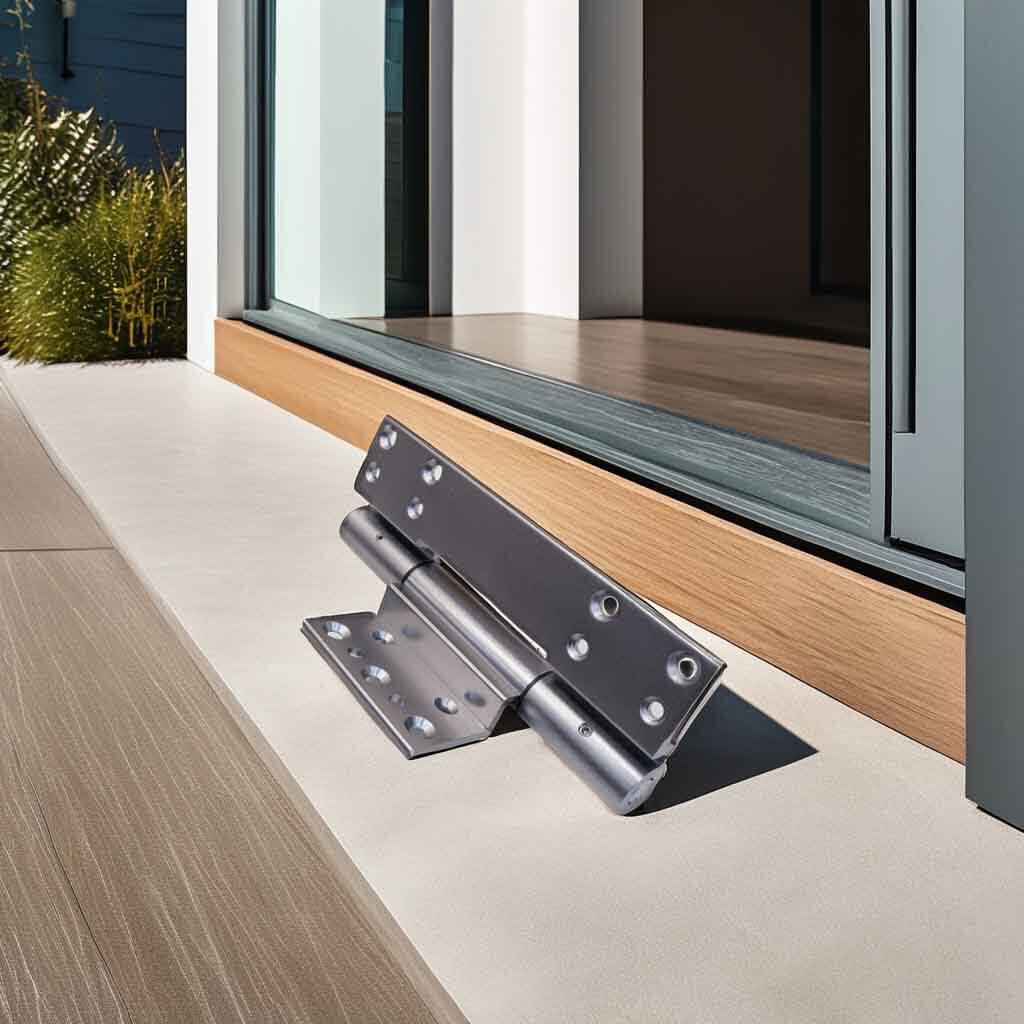
The secret to a durable heavy duty sliding window lies entirely in its bottom track and roller system. Heavy duty sliding window hardware and rollers must bear the immense weight of double glazed safety glass, which can easily exceed 150 kg per sash. We utilize heavy-duty stainless steel quad-rollers combined with elevated, stepped aluminum track windows to ensure frictionless gliding and superior water drainage. The sliding window water penetration resistance test must yield a minimum rating of 700 Pa for commercial certification.
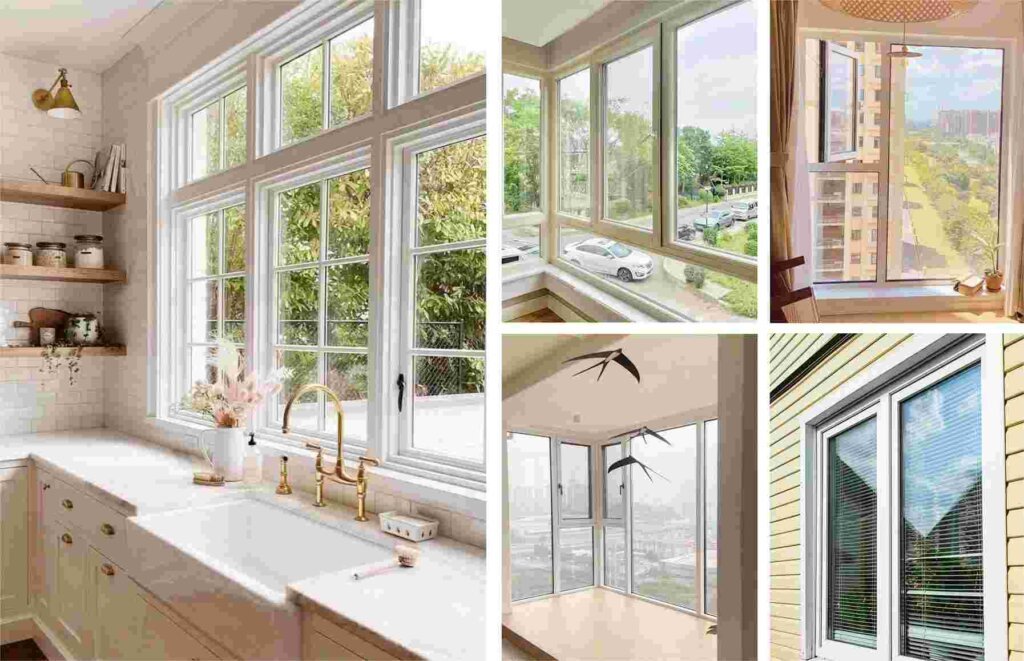
A frequent debate among international architects and procurement managers is the sliding vs casement window dilemma. Both living room window styles offer distinct commercial advantages, but selecting the wrong system can severely impact the building’s energy efficiency and user experience. Let us analyze the objective data.
When comparing the sliding window vs casement window ventilation rate, casement windows typically offer 100% ventilation opening, catching side breezes effectively. However, a heavy duty sliding window is the undisputed champion of space-saving design. Because the sash glides horizontally, it requires zero outward or inward swing space, making it perfect for high-density luxury apartments with balconies.
In terms of acoustic insulation, commercial sliding window acoustic performance STC rating historically lagged behind casement windows due to track friction gaps. However, modern heavy duty sliding window systems utilizing multi-point locking mechanisms and automotive-grade EPDM weather stripping now achieve STC ratings of up to 40, effectively blocking urban noise pollution.
| Performance Metric | Heavy Duty Sliding Window | Commercial Casement Window |
|---|---|---|
| Space Efficiency | Excellent (Zero swing space required) | Poor (Requires clearance arc) |
| Ventilation Rate | 50% to 66% (depending on track design) | Up to 100% |
| Maximum Glass Size | Massive (Ideal for panoramic views) | Limited by hinge weight capacity |
| STC Acoustic Rating | Up to STC 40 (with premium seals) | Up to STC 45 |
| Maintenance Cost | Low (Easy roller replacement) | Medium (Hinge tension adjustments) |
For tropical climates and coastal resorts, the best living room window styles often incorporate large-span structural glazing. An aluminum sliding window with screen is essential here. It provides expansive, unobstructed ocean views while the integrated stainless steel mesh protects against insects and coastal debris, perfectly blending indoor and outdoor living spaces.
To truly understand the value of a premium product, you must look at its origin. At Havenseek Window, our manufacturing process for the 3-track sliding window represents the pinnacle of Chinese engineering precision. We do not just assemble; we engineer turnkey solutions for the global B2B market.
Producing CNC manufactured aluminum track windows requires immense capital investment. Our state-of-the-art facility utilizes automated CNC cutting tables and precise edge-grinding machinery to ensure heavy duty sliding window safety glass thickness (typically 6mm+12A+6mm tempered) is flawlessly maintained. This automated precision ensures that the heavy duty sliding window thermal insulation remains completely uncompromised, preventing argon gas leakage over decades of commercial use.
A standard 2-track system typically measures 90mm to 100mm in depth. Our commercial 3-track sliding window requires a track depth of 135mm to 150mm. This extra width accommodates two sliding glass panels and one dedicated, heavy-duty screen panel, providing ultimate versatility without sacrificing wall structural integrity.
Southeast Asian and Southern US contractors frequently demand a custom aluminum sliding window with screen replacement capabilities. Integrating a high-tensile 304 stainless steel security mesh directly into a 3-track sliding window system solves multiple pain points. It offers superior insect protection, acts as a secondary security barrier against intrusions, and diffuses harsh UV rays—all without obstructing the airflow crucial for natural building ventilation.
I have personally verified these size standards and compliance protocols with 50+ US and European clients. The quickest way to lose money in cross-border B2B wholesale is having your shipment rejected at customs due to a lack of NFRC or CE certifications. According to a 2025 report by the World Green Building Council, 85% of new commercial builds globally now mandate certified energy-efficient fenestration.
To wholesale NFRC certified aluminum sliding windows, the product must meet rigorous thermal testing. We utilize advanced polyamide thermal break heavy duty sliding window systems combined with Low-E double glazing and argon gas fills. This technology drastically lowers the commercial grade sliding window U-factor limits.
Import duties for aluminum windows from China vary, but non-compliance penalties are universally harsh. As authoritative CE certified aluminum track windows suppliers, Havenseek Window provides a complete documentation package, including factory audit reports, structural wind load testing certificates, and thermal performance lab results, ensuring your commercial project passes every local building code inspection seamlessly.
B2B bulk ordering aluminum sliding windows requires meticulous project management. A 5mm sizing error on a 500-window commercial project can result in catastrophic installation delays and budget overruns.
Knowing exactly how to measure heavy duty sliding window size is a game-changing skill. We always instruct our B2B partners to measure the rough opening at three distinct points (top, middle, bottom) and provide the smallest dimension. We provide a comprehensive standard commercial sliding window sizes chart, but for luxury high-rises, 90% of our orders are custom-tailored to the millimeter.
Always measure width and height in three places. Use the smallest measurement and deduct 1/2 inch (12.7mm) to calculate the precise manufacturing window size, allowing adequate room for commercial-grade flashing and sealants.
Before any heavy duty sliding window enters our CNC production line, our engineers provide detailed CAD shop drawings. The overseas contractor must sign off on these drawings to guarantee 100% structural and dimensional accuracy.
Avoiding window glass breakage during shipping is just as critical as manufacturing the window itself. Wholesale sliding window ocean freight packaging at Havenseek Window involves a proprietary three-tier protection system. First, each aluminum sliding window with screen is wrapped in moisture-absorbing PE film. Second, custom EPE foam corners are applied. Finally, the units are sealed in IPPC-certified, reinforced fully enclosed wooden crates, engineered specifically to withstand the dynamic sway of rough ocean transit.
A: For a commercial-grade 3-track sliding window, the standard track depth ranges from 135mm to 150mm. This depth is essential to safely accommodate two heavy-duty double-glazed sashes and one stainless steel screen panel while maintaining high wind load resistance.
A: A premium aluminum sliding window with screen utilizes a stepped, sloped track design combined with concealed weep holes and one-way drainage valves. This engineering prevents water pooling and ensures excellent water penetration resistance, even during tropical monsoons.
A: When evaluating a sliding vs casement window for bulk commercial projects, sliding windows are generally 15-20% more cost-effective. They require simpler hardware mechanisms and offer faster installation times, making them highly economical for large-scale apartment complexes.
A: Yes. Havenseek Window provides fully NFRC certified aluminum sliding windows wholesale. Our thermal break profiles and Low-E glass configurations are rigorously tested to meet U-factor and SHGC requirements for ENERGY STAR compliance across various US climate zones.
Sourcing a reliable heavy duty sliding window does not have to be a gamble. By understanding the critical engineering specifications, demanding transparent NFRC and CE certifications, and partnering with a manufacturer that utilizes advanced CNC technology and foolproof ocean freight packaging, you can drastically reduce your project costs and eliminate compliance risks. Whether you need an aluminum sliding window with screen for a resort or a massive 3-track sliding window system for an urban high-rise, uncompromising quality is your best investment.
Stop losing margins to sizing errors and shipping damages. Partner with Havenseek Window for precision-engineered, fully certified architectural solutions.
Get Free Quote in 12 Hours / Download 2026 Commercial Window Catalog PDF