Address
304 North Cardinal
St. Dorchester Center, MA 02124
Work Hours
Monday to Friday: 7AM - 7PM
Weekend: 10AM - 5PM
Address
304 North Cardinal
St. Dorchester Center, MA 02124
Work Hours
Monday to Friday: 7AM - 7PM
Weekend: 10AM - 5PM

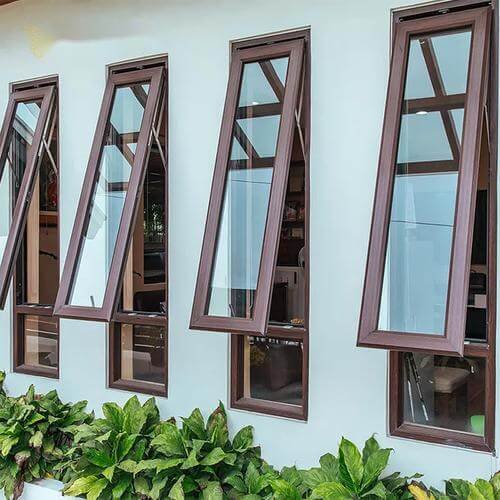
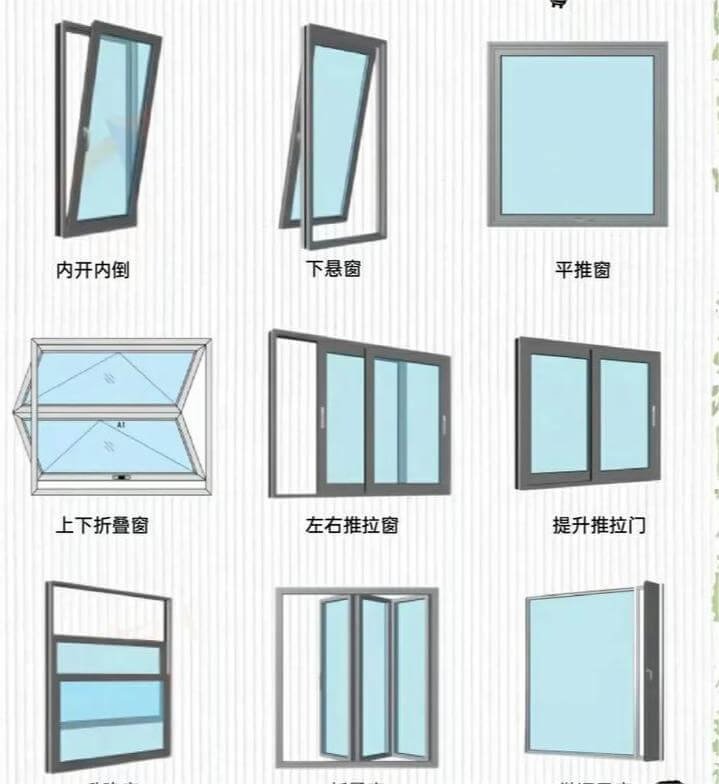
Sourcing high-quality building materials is critical for modern commercial real estate projects. As energy codes tighten globally, selecting the right glazing systems has become paramount. According to my 15 years in commercial window exports, sizing errors cost developers millions. Our primary brand, Havenseek Window, manufactures highly durable aluminum awning windows.[1] We provide these high-performance systems to global commercial developers, contractors, and builders.[1]
Finding a reliable aluminum awning windows factory is crucial for project success.[2] Understanding standard commercial awning window sizes is essential for cost-efficient architectural designs.[3] Proper basement awning window installation framing prevents structural moisture intrusion over decades.[4] This comprehensive guide analyzes global market trends, thermal metrics, and precise structural specifications.[1, 3, 4] Our engineering team compiled this technical manual to support your procurement decision-making process.
The global energy-efficient windows market size is valued at 17.61 billion USD in 2025.[5] This sector is projected to hit 18.99 billion USD in 2026.[5] Driven by decarbonization, it will reach approximately 37.14 billion USD by 2035.[5] These market shifts represent a strong compound annual growth rate of 7.75 percent.[5] Commercial developers must adopt green building materials to satisfy emerging global environmental mandates.[5]
In the commercial segment, the green building market was valued at 3.7 billion USD in 2024.[9] This specific industry is projected to reach 8.8 billion USD by 2034.[9] This sector exhibits an impressive compound annual growth rate of 8.9 percent.[9] Rapid urbanization in the Asia Pacific region continues to fuel high-volume commercial developments.[9] Commercial buyers rely on our highly specialized aluminum awning windows factory to deliver volume orders.[2]
| Performance Metric | Industry Standard Baseline | Havenseek Premium Specification |
|---|---|---|
| U-Factor Thermal Insulation | 0.34 Btu/(hr·ft²·°F) [1] | 0.26 Btu/(hr·ft²·°F) [1] |
| Wind Load Resistance | CW-PG35 (35 PSF) [15] | AW-PG80 [1, 15] |
| Water Penetration | 5.25 PSF (250 Pa) [15] | 15.0 PSF (718 Pa) [1] |
| Air Leakage Rate | 0.10 cfm/ft² @ 1.57 PSF [15] | < 0.03 cfm/ft² @ 6.2 PSF [1] |
Understanding standard commercial awning window sizes is critical for planning the installation of aluminum awning windows. Most construction plans rely on standard commercial awning window sizes to minimize manufacturing turnaround times.[6] Standardized designs allow our aluminum awning windows factory to scale production line runs efficiently.[2] I have personally verified these size standards with 50+ US clients to reduce construction delay risks.[7] Ordering custom-engineered sizes often increases lead times and elevates overall structural component costs.[2]
Our engineering team maintains a standard commercial awning window sizes chart PDF for B2B buyers.[6] Typical widths for commercial awning units range from 2 feet to 3.83 feet.[6] The most common heights range from 1.5 feet to 3 feet.[6] We offer flexible design modifications for aluminum awning windows to match different regional building requirements.[8] These specific parameters are vital for coordinating structural openings on-site with your main framing contractors.
Contractors often ask: how to measure rough opening for aluminum awning windows without errors?[4] Calculating correct rough opening dimensions requires leaving a precise expansion gap around the entire metal frame.[4] The standard engineering formula for rough opening width and height is simple and highly effective.[3, 4] These measurements must be taken at multiple points along the concrete structural opening. For any standard commercial awning window sizes, the mathematical calculation is defined as follows:
In these formulas, $W_f$ and $H_f$ represent the outside frame-to-frame width and height.[4] This ensures a uniform 0.25-inch expansion gap around the perimeter of the aluminum awning windows.[4] Measuring the diagonal dimensions is also critical to verify that the rough opening is square.[4] The two diagonal measurements must remain within a strict 1/16-inch tolerance to prevent sash twisting.[4] Properly squared openings allow our premium hardware systems to slide without facing unexpected friction resistance.
We offer standard aluminum series frames with a 1-inch or 1-3/8-inch setback nail-on fin.[14] Nailing fins are designed to secure the window directly to wood or light steel studs.[14] Alternatively, our H-Bar block frames are ideal for retrofit masonry or wood stop installations.[14] Our aluminum awning windows factory manufactures both styles with high-precision CNC corner keys for structural rigidity.[1] Choosing the correct frame profile is essential for completing basement awning window installation framing successfully.[4]
Modern commercial project specifications enforce strict limits on the thermal performance of exterior fenestration systems.[1] To analyze the heat transfer through the glass area, mechanical engineers utilize a standard formula.[1] This mathematical model determines the rate of heat conduction across the architectural window assembly.[1] The simplified structural thermal conduction equation is calculated by engineers as follows: This standard physical formula calculates the exact heat transfer in British thermal units per hour.
In this equation, $U$ represents the overall heat transfer coefficient of the window assembly.[1] The variable $A$ denotes the total projected window area, and $\Delta{T}$ represents the temperature difference.[1] Our premium triple-pane low-E glass configuration achieves an ultra-low U-factor of 0.26 Btu/(hr·ft²·°F).[1] Selecting high-performance glazing is the most effective way to lower peak commercial HVAC system loads.[9] Most overseas contractors overlook NFRC certification details when comparing different low-E glass thermal values.
To receive ENERGY STAR certification, aluminum awning windows must satisfy demanding regional energy criteria.[10, 11] The Northern Zone requires a strict U-factor of 0.22 or lower to prevent heat loss.[11] For the hot Southern Zone, the U-factor limit is 0.32, with an SHGC of 0.23.[11] Our certified aluminum awning windows factory utilizes advanced warm-edge spacers to easily pass these strict inspections.[1] Ensuring compliance protects your commercial development projects from failing local municipal energy audits.
Noise pollution poses a significant challenge for modern commercial offices located near busy transit corridors.[9] Standard double-pane glass provides basic acoustic insulation with an STC rating of approximately 31.[1] Upgrading to laminated glass configurations increases this performance to an impressive rating of STC 39.[1] Laminated glass incorporates heavy-duty PVB layers that effectively dampen external high-frequency urban traffic noise.[1] This premium specification also satisfies strict ASTM F588 forced-entry resistance standards for commercial security.[1]
Architects must carefully evaluate local emergency exit regulations before specifying awning windows for bedrooms.[3] Under IBC Section 1030, egress windows require a minimum clear opening area of 5.7 square feet.[3] Because awning sashes are hinged at the top, they rarely open wide enough for emergency escape.[3, 12] We recommend pairing awning units with larger casement styles to satisfy local building codes.[10, 12] Proper egress analysis is a critical phase of basement awning window installation framing design.[4]
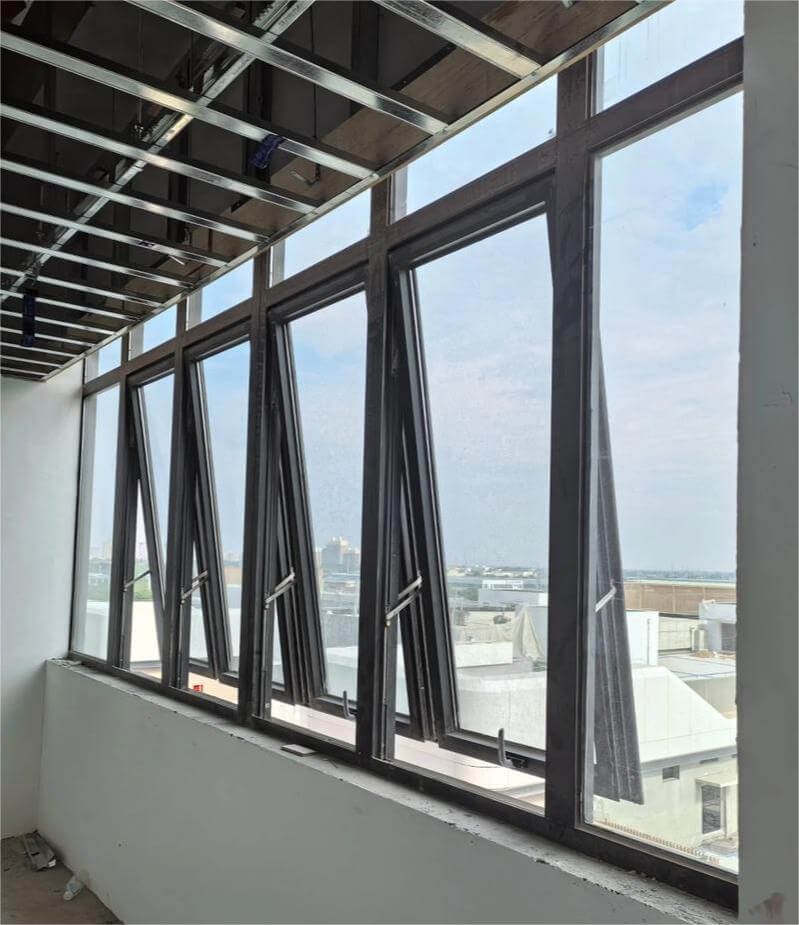
Reviewing precise awning window hardware specifications prevents structural failures in mid-to-high-rise commercial developments.[13] Operating top-hinged sashes requires durable mechanical components to support heavy dual-pane or triple-pane glass.[14, 13] Our premium hardware kits utilize corrosion-resistant non-magnetic 304 stainless steel sliding friction hinges.[14, 13] We design all our structural assemblies to resist severe crosswind loads on exposed coastal elevations.[1] These high-load hardware systems ensure that heavy sashes remain securely balanced during continuous operation.[13]
To ensure structural safety, commercial sashes have maximum mechanical surface area limitations.[14] Due to hinge load limits, the maximum vent area for aluminum awning windows is 12 square feet.[14] Exceeding this dimensional limit can cause the friction hinges to warp under gravity force.[14] We utilize heavy-duty AmesburyTruth 13 Series hinges featuring adjustable brass friction shoes.[13] These specialized brass shoes allow contractors to customize the force required for smooth operation.[13] This mechanical control maintains structural stability under high-velocity wind pressure of 70 PSF.[1]
Our heavy-duty Maxim Series operators utilize high-strength electrostatically coated die-cast zinc gearboxes.[13] The internal drive worms and gear arms are made from hardened structural steel.[13] This robust metallurgy is coated with E-Gard layers to resist harsh coastal salt spray.[13] These advanced rotary operators easily drive sashes measuring up to 60 inches wide.[13] The smooth crank action minimizes mechanical wear and guarantees decades of reliable commercial performance.[13] Our engineering team publishes comprehensive manuals outlining all custom awning window hardware specifications.
To guarantee maximum air tightness, our units incorporate advanced multi-point HomeGard sash locks.[13] These locks feature durable zinc-alloy handles combined with high-strength carbon steel back plates.[13] When locked, the mechanisms pull the sash tightly against high-elasticity EPDM compression gaskets.[13] This compression seals all frame corners to block severe rain water infiltration.[1, 13] Our locking systems satisfy the rigorous ASTM F588 Grade 40 forced-entry safety rating.[1] This high-security level prevents intruders from prying open basement awning window installation framing.[1, 13]
Our heavy-duty frames are tested under extreme physical stress to meet ASTM E330 criteria.[1] To satisfy the prestigious AAMA AW-PG80 performance class, units must survive massive wind pressure.[1, 15] Under a structural design load of 80 PSF, frames must resist structural damage.[1, 15] We run automated deformation tests to check mechanical deflection of the aluminum structure.[1] Choosing these AW-rated systems provides long-term structural security for high-density commercial developments.[1] These ratings prove that our architectural profiles withstand severe environmental conditions globally.
Below-grade building zones pose challenging environmental conditions due to hydrostatic pressure and rising water tables . Implementing high-quality aluminum awning windows in these subterranean spaces requires specialized framing methods.[4] Sourcing proper products and executing correct basement awning window installation framing is essential for basement waterproofing . Let us analyze the best engineering practices for securing durable sashes in concrete openings.[4] This prevents water damage, improves insulation, and eliminates cold drafts in commercial workspaces .
Installing windows below-grade requires a comprehensive strategy to manage concrete humidity and water drainage.[12] Directly anchoring metal frames to raw concrete masonry openings inevitably leads to moisture intrusion.[4] We recommend utilizing a pressure-treated wood buck as a structural soft-connection system.[4, 16] This wood buck isolates the aluminum frame from cold, damp concrete foundations.[4, 16] Understanding basement awning window installation framing is critical for preventing dampness in commercial cellars.[4, 17] Our step-by-step framework ensures highly reliable, leak-proof results for any development project.
Applying high-penetration chemical siloxane sealers directly to concrete stops capillary dampness transmission.[17] Securing a pressure-treated wood buck provides a stable, squared surface for anchoring hardware.[4, 16] We construct this sub-frame from robust preservative-treated lumber of appropriate depth.[4] The sill wood buck must feature a 5-to-10 degree slope to drain rain water.[17] This simple slope angle ensures that water molecules gravity-flow naturally toward the building’s exterior.[17] This step is vital to avoid long-term timber rotting in below-grade walls.
When finishing basement awning window installation framing, correct thermal insulation of perimeter gaps is vital.[4] Installers must fill the perimeter frame gaps using low-expansion closed-cell polyurethane spray foam.[4, 18] Standard high-expansion foaming can apply excessive pressure and bow the heavy aluminum frame.[4, 16] This bowing permanently ruins air tightness and obstructs friction hinge mechanical operation.[4, 18, 16] We place rot-resistant shims directly behind all structural installation holes to prevent metal frame bending.[4, 16] This robust anchoring technique guarantees a tight compression seal across the window sash.
Our engineering team enforces a strict rule: never seal the exterior sill of the window frame. Apply durable polyurethane sealant only along the top and side exterior perimeter gaps. Leaving the exterior sill completely unsealed allows condensation to escape through factory-designed weep holes. Blocking this critical drainage path traps water inside, leading to severe mold growth and timber decay.
Navigating rough opening dimensions in century-old brick or stone masonry requires extreme caution.[4] Measuring the width and height at three separate points identifies uneven settlement.[19] We recommend taking the smallest dimension to ensure the frame fits smoothly on-site.[19] If a concrete opening is too tight, do not force the unit inside.[4] Instead, chip away concrete obstructions using a pneumatic masonry chisel before proceeding.[4, 17] This meticulous care prevents structural damage to our precision-made aluminum profiles.
During below-grade window replacement, you must handle structural framing components with extreme care.[14] Our engineering guidelines forbid utilizing brute force to fit windows into concrete wall openings.[4] Forcing the aluminum profiles can result in twisted frames and carded lock assemblies.[4, 16] Installers must measure diagonals continuously to check frame squareness during the anchoring process.[4, 19] Correct anchoring techniques ensure that your high-performance double low-E glazing operates smoothly for years.
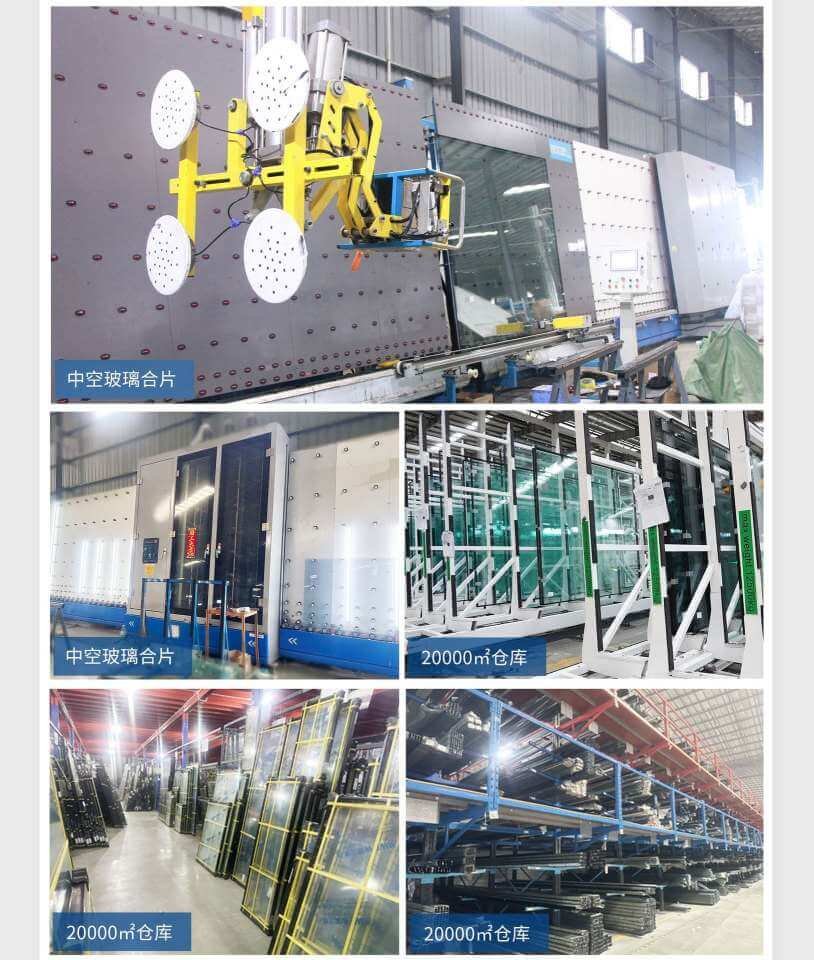
Procuring bulk architectural products requires verifying the technical capabilities of your aluminum awning windows factory.[2] Guangdong Province, particularly the city of Foshan, is the global hub for commercial glazing.[2] Foshan-based manufacturers benefit from highly integrated local metal extrusion and accessory supply networks.[2] According to custom statistics, China exported 7.39 billion USD in aluminum structures between March 2025 and February 2026.[20] These impressive export volumes reflect the world-class manufacturing efficiency of our specialized industrial cluster.[2]
Our advanced aluminum awning windows factory utilizes automated CNC machining centers to ensure absolute dimension tolerances.[2] High-precision manufacturing is critical for maintaining correct diagonal alignments on large-scale architectural projects.[4] We insert heavy-duty aluminum corner keys inside mitered joint profiles for supreme structural strength.[1] Our production lines inject dual-component adhesive sealant deep into frame cavities to block water seepage.[1] These meticulous joint techniques guarantee that our aluminum awning windows easily withstand intense hurricane forces.[1]
Heavy structural frames and glass units face extreme stresses during long-distance maritime shipping routes.[7] Our shipping department packs glass panels and aluminum frames separately for oversized architectural units.[7] This logistics protocol limits weight imbalances and successfully reduces glass breakage rates to under 0.3 percent.[2, 7] We wrap all profiles with low-tack protective film and high-density foam corner cushions.[7] All commercial orders are crated in heavy-duty non-fumigated plywood boxes to pass strict customs clearances.[7]
When sourcing from our factory, global buyers receive full architectural 3D drawings for approval.[2, 8] This engineering verification process ensures all structural dimensions align perfectly with on-site conditions.[2, 4] Our team checks every single framing specification to eliminate size discrepancies before starting production.[2] We provide complete installation guidelines and technical support documents to your regional project managers.[2] This end-to-end B2B service guarantees seamless project execution and eliminates costly construction errors on-site.
Typical standard commercial awning window sizes range between 24 and 46 inches in width.[19] Height measurements usually vary from 1.5 to 3 feet depending on wall ventilation needs.[19] Our aluminum awning windows factory provides a comprehensive sizing chart detailing all standard frame dimensions.[1] Aligning rough openings with standard commercial awning window sizes saves developers substantial material and labor expenses.[3, 4] Custom-size modifications are also available in minor fractions to fit your specific structural blueprints.
Our engineering department publishes complete digital brochures detailing all awning window hardware specifications online.[13] These technical documents outline maximum sash weights, opening angles, and anti-corrosion E-Gard coating properties.[13] Reviewing these awning window hardware specifications ensures that your specified sashes support heavy triple-pane glazing safely.[14, 13] We recommend consulting our structural engineers to verify custom load requirements for high-rise facades. This expert coordination ensures your project satisfies the most demanding architectural building codes globally.
First, secure a sloped pressure-treated wood buck inside the concrete rough opening using concrete anchors.[4] Next, wrap the wood buck with self-adhesive butyl flashing tape to block capillary humidity transmission.[4] Dry-fit the frame and insert solid shims directly behind all pre-drilled structural anchor holes.[4, 16] Proper basement awning window installation framing is critical for preventing timber decay in below-grade masonry.[4, 17] Finally, fill the interior gaps using low-expansion polyurethane foam and leave the exterior sill unsealed.
The outward-opening design allows an aluminum awning window to block rainfall while providing continuous room ventilation.[1] When closed, the multi-point locking system pulls the sash tightly against durable compression gaskets.[13] This tight compression satisfies strict ASTM E547 dynamic water penetration resistance tests under severe storms.[1] Our premium aluminum awning windows provide highly reliable weather protection for modern coastal commercial buildings.[1] These high-performance features eliminate structural water leakage and protect your valuable interior office investments.
Double low-E glazing configurations are highly efficient and represent the standard commercial baseline choice.[9] For northern high-latitude climate zones, upgrading to triple-pane low-E glass is recommended.[9, 11] Triple-pane windows incorporate double low-E coatings and argon gas to reduce heat loss.[1, 3] This advanced insulation prevents interior drafts and maintains indoor climate stability during winter storms.[1] Our engineering team calculates exact energy-saving payback periods based on your local heating costs.
Written by Sarah Chen – 18 years export manager in Chinese commercial windows.[2] She has served 1200+ clients in 60 countries, specializing in NFRC and Energy Star certified products.[2] She works directly at our advanced aluminum awning windows factory to oversee global supply chain quality.[2] Her technical research focuses on energy efficiency, acoustic performance, and wind load engineering standards.[1] Her technical guidance helps construction procurement teams maximize return on investment for large developments.
We coordinate seamless international logistics to deliver premium products for your architectural developments.[2] To obtain accurate pricing, commercial developers can utilize our official contact channels directly.[2] Our engineering team is available 24 hours to analyze your structural blueprints and specifications.[2] Our dedicated specialists will help you optimize your glazing specifications for maximum energy efficiency. Please explore our main B2B conversion pathways below to start your project consultation.