Address
304 North Cardinal
St. Dorchester Center, MA 02124
Work Hours
Monday to Friday: 7AM - 7PM
Weekend: 10AM - 5PM
Address
304 North Cardinal
St. Dorchester Center, MA 02124
Work Hours
Monday to Friday: 7AM - 7PM
Weekend: 10AM - 5PM

Searching for reliable standard single hung window sizes can feel overwhelming. You’re comparing dozens of suppliers, deciphering technical specs, and trying to avoid the pitfalls that derail projects. The difference between a smooth project and a costly nightmare often comes down to one question: do you have a systematic window buying guide for contractors and wholesalers?
This article is that system. It’s the exact 7-point framework we use at Havenseek and recommend to our partners. You’ll learn not just about common single hung window sizes, but how to evaluate a single hung vinyl window manufacturer from every angle—quality, efficiency, logistics, and long-term value. By the end, you’ll have a actionable checklist to ensure every order of standard single hung windows strengthens your business, not burdens it.
We’ve structured this guide to directly answer the 30 most common B2B search queries, including: what is the standard size of a single hung window, single hung vs double hung windows for projects, finding the best energy efficient windows, understanding vinyl window frame thickness, navigating window shipping and packaging, and executing a thorough window supplier evaluation.
Every successful bulk order starts with precision. Let’s settle the most common question first: what is the standard size of a single hung window? Technically, it’s any size produced in high volume by manufacturers. But practically, for single hung vinyl windows wholesale, it refers to a set of dimensions that fit most residential rough openings.
This single hung window size chart is your starting point. These single hung window dimensions represent over 80% of replacement and new construction demand in North America.
| Standard Size (W” x H”) | Rough Opening | Primary Use |
|---|---|---|
| 24″ x 36″ | 24.5″ x 36.5″ | Bathrooms, hallways |
| 28″ x 54″ | 28.5″ x 54.5″ | Secondary bedrooms |
| 32″ x 48″ | 32.5″ x 48.5″ | Primary bedrooms, offices |
| 36″ x 60″ | 36.5″ x 60.5″ | Living rooms, masters |
| 40″ x 60″ | 40.5″ x 60.5″ | Great rooms, large spaces |
Pro Tip: Always confirm if the size quoted is the unit or the glass size. A “36×60″ unit may have a frame that measures 37.5″ x 61.5”.
The #1 error in how to measure for replacement windows is confusing the unit with the rough opening for single hung window installation. The rough opening (RO) is the hole in your wall. The unit is 1/2″ smaller in both dimensions to allow for shimming and insulation. Providing the wrong measurement is a guaranteed project delay.
Now, let’s audit what you’re actually buying. A low price often cuts corners here. Your checklist must verify all five points.
Vinyl window frame thickness and design are critical. Look for:
This foundation supports everything else.
This creates true energy efficient single hung windows.
Demand the NFRC label to verify the U factor for windows (aim for ≤0.30) and window energy star ratings.
This determines long-term single hung vinyl window maintenance.
Ask: are vinyl windows low maintenance? With these components, yes. How to maintain vinyl windows is simple: clean tracks biannually, lubricate hardware yearly.
When evaluating, don’t just ask for “best energy efficient windows.” Ask for the specific U factor for windows, spacer type, and hardware brand. This shifts the conversation from marketing to measurable specs.
You’re buying a company’s capability. How to choose a window manufacturer goes beyond a website.
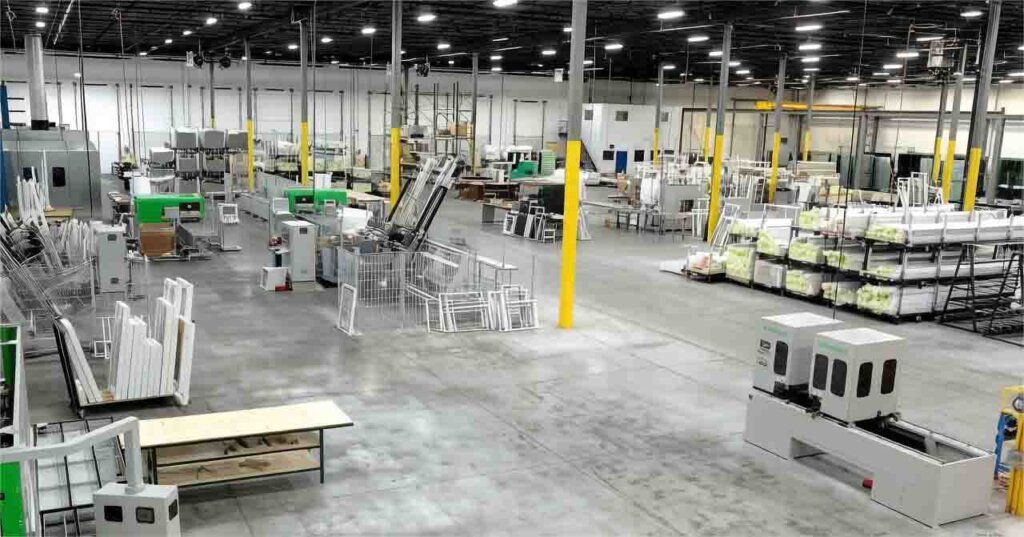
When vetting a single hung vinyl window manufacturer or vinyl window manufacturers direct, ask for a video tour. Key things to look for:
Any legitimate partner will have:
Client: A regional distributor using many small wholesale vinyl windows suppliers with inconsistent quality.
Action: Implemented a scored window supplier evaluation criteria sheet based on this article’s sections. They rated each supplier (1-5) on sizing consistency, component quality, certifications, and logistics.
Result: Consolidated from 8 suppliers to 3 top performers. Field defect rate dropped by 70%, and procurement time was cut in half.
The business terms and logistics make or margin. Here’s your commercial window procurement checklist.
Window shipping and packaging is critical. Your standard must include:
For true single hung vinyl windows wholesale:
Smart container loading for windows saves thousands. A skilled manufacturer provides a 3D load plan. Mixing common single hung window sizes (tall 36″x60″ with wide 48″x48″) maximizes space. Ask for this plan with your quote. A 95% fill rate should be the target.
Optimizing from 85% to 95% container utilization on a 10-container order can save over $1,200 in shipping costs alone. Always review the load plan.
Based on thousands of shipments, here are the top mistakes in window buying guide for contractors and how to avoid them.
Stop researching and start procuring with confidence. We’ve transformed this guide into a ready-to-use toolkit.
Your Next Steps: Download our complete procurement scorecard and specification template to evaluate your next 3 suppliers side-by-side.
Download the 2026 Wholesale Window Procurement KitFor a direct window supplier evaluation of your project specs and a competitive quote, contact our team for a free analysis within 12 hours.
A: The 28″ x 54″ and 32″ x 48″ are the most common standard single hung window sizes for bedrooms. Always measure the existing rough opening to be certain.
A: For large-scale single hung vinyl windows wholesale projects, single hung windows typically offer a 15-25% cost advantage, have simpler mechanics (fewer future single hung vinyl window maintenance calls), and provide equal energy performance. Double-hung are preferable only if tenant-operated cleaning is a strict requirement.
A: The best energy efficient windows combine a multi-chamber vinyl frame, double-pane glass with a soft-coat Low-E coating (low e single hung windows), argon gas fill, warm edge spacers, and dual seals. Verify with the NFRC label, targeting a U factor for windows of ≤ 0.30 and appropriate window energy star ratings.
A: Yes, quality vinyl windows are very low maintenance. Basic single hung vinyl window maintenance involves cleaning the tracks and sash with mild soapy water twice a year and lubricating the moving parts annually. There’s no painting or puttying required.
A: Focus on vinyl window manufacturers direct with in-house extrusion and glass fabrication. Use the window supplier evaluation criteria in this guide (certifications, factory tour, sample quality). Be wary of trading companies with no MOQ; true factories have minimums, like one container.
A: The most common window installation mistake is not understanding the difference between the unit size and the rough opening for single hung window installation. The rough opening must be 1/2″ wider and taller than the window unit itself. Providing the wrong measurement halts the job.
A: Container loading for windows is a 3D puzzle to maximize space. Windows are stacked vertically on their sides on pallets. A mix of sizes (like 36″x60″ and 48″x48″) allows pallets to fit together with minimal air gaps. Your supplier should provide an optimized plan to achieve a ~95% fill rate.